Table of Contents
- What Does Hotel Security Include?
- People: On-Site Security Roles In Hotels
- Processes: Policies And Day-To-Day Security Procedures
- Technology: Systems That Support Hotel Security
- High-Risk Areas Hotels Should Secure
- Common Threats Hotel Security Is Designed To Reduce
- UK Compliance And Standards To Be Aware Of
- How To Choose The Right Hotel Security Set-Up
- Example Security Packages By Hotel Type
- FAQs About Hotel Security
- Fun Fact: Keycards Are Fast To Fix, Tailgating Is Not
- Conclusion
Hotel security typically includes a mix of trained personnel, procedures and technology to prevent incidents and respond quickly. It often covers front-of-house presence, patrols, access control to guest-only areas, CCTV monitoring, key and lost property controls, incident reporting, emergency planning (fire and evacuation), and liaison with the police and emergency services.
In practice, good hotel security feels calm and welcoming. Behind the scenes, it is structured and consistent. It protects guests, staff, cash, assets and your reputation, while keeping the guest experience smooth.
If you want support designing or improving a hotel security programme, Lead Element Security can help with risk-led solutions. Options include manned guarding, concierge security, security patrols and close protection.
What Does Hotel Security Include?
Hotel security is a coordinated set of measures designed to:
- Prevent Incidents: Reduce opportunities for theft, unauthorised access, anti-social behaviour and harm.
- Detect Issues Early: Spot suspicious activity quickly through staff, patrols and CCTV coverage.
- Respond Effectively: Follow clear escalation routes with trained staff and documented procedures.
- Recover And Learn: Record incidents, protect evidence and improve controls through audits and trend reporting.
The Three Pillars: People, Processes, and Technology
The most effective hotel security programmes balance three pillars:
- People: SIA-licensed security personnel (where required), trained hotel teams and management oversight.
- Processes: Access rules, key control, incident reporting, safeguarding and emergency plans.
- Technology: CCTV, access control, alarms, lighting and physical security that support staff action.
Relying on only one pillar usually creates gaps. For example, CCTV is less effective without confident staff response. Guarding also falls short without clear post orders and handovers.
People: On-Site Security Roles In Hotels
Depending on risk, size and location, hotel security teams can be in-house, contracted, or a blend. If your property hosts late-night venues or events, you may also need specialist roles. In the UK, many guarding and door roles are regulated and require licensing.
Concierge Security (Front-Of-House Presence And Deterrence)
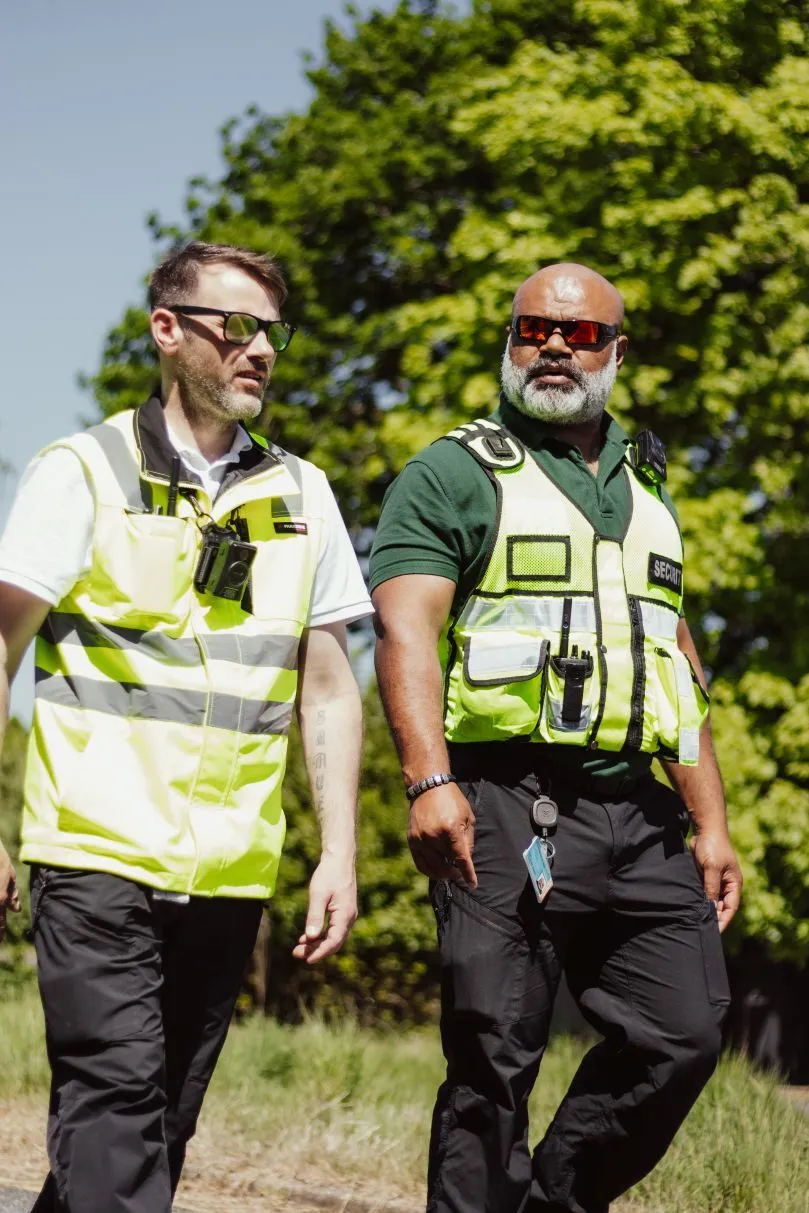
Concierge security provides a welcoming, visible presence in the lobby and reception area. The aim is to deter issues while supporting the guest experience.
- Typical Duties: Meet and greet, manage lobby behaviour, monitor footfall, and support reception with difficult interactions.
- Best For: Boutique and luxury hotels, city locations and properties with high walk-in traffic.
- Guest Experience Benefit: Reassurance without making the environment feel locked down.
Manned Guarding (Static Posts, Entrances, Back-Of-House)
Manned guarding places officers at defined posts, such as main entrances, staff entrances, loading bays or car parks.
- Typical Duties: Entry control, contractor sign-in, patrol support, incident management and asset protection.
- When It Matters Most: Late shifts, higher-crime areas, properties with frequent deliveries, or multi-tenant sites.
- What Good Looks Like: Clear post orders, reliable handovers, radio protocol and supervisor oversight.
Explore options via Lead Element Security manned guarding.
Mobile Patrols And Perimeter Checks
Mobile patrols provide scheduled or random checks across key areas, often out of hours.
- Typical Duties: Lock and unlock checks, perimeter sweeps, car park checks, and plant room and fire door checks.
- Advantages: Cost-effective coverage for smaller sites and useful visibility across larger footprints.
- Key Requirement: Documented patrol routes, checkpoint verification where appropriate, and clear escalation criteria.
Learn more at Lead Element Security security patrol contractors.
Door Supervision And Managing Late-Night Venues (Where Applicable)
If your hotel has a late licence, bar or nightclub elements, or hosts public events, you may need SIA-licensed door supervisors. They support entry control and crowd management.
- Typical Duties: Queue management, ID and search policy (if used), refusal handling, dispersal and incident de-escalation.
- Risk Reduced: Violence, harassment, drug-related issues and disorder at closing time.
- Critical Process: Align venue rules with hotel expectations so residents are not inconvenienced.
Key Skills: Conflict Management, First Aid, Safeguarding, and Customer Service
Hotels need security staff who can combine professionalism with hospitality. Look for training and competence in:
- Conflict Management: Calm de-escalation, proportionate intervention and clear communication.
- First Aid: Early support for medical incidents until emergency services arrive.
- Safeguarding Awareness: Recognising vulnerability indicators and escalating appropriately.
- Customer Service: Giving directions, assisting guests and protecting brand standards.
- Incident Reporting: Accurate logs that support investigations and insurance requirements.
Lead Element Security supplies SIA-licensed personnel, where applicable, with robust vetting standards. These include screening, identity checks, and right to work verification. You can also learn more about the team at Meet The Team.
Processes: Policies And Day-To-Day Security Procedures
Processes are where many hotels win or lose on security. Technology and guards are only as effective as the rules that guide daily decisions. Below are high-impact procedures commonly used in hotels.
Access Control Rules For Guests, Visitors, Contractors, and Deliveries
Clear access rules reduce tailgating, theft and unauthorised entry to guest-only areas.
- Guests: Verify identity before issuing replacement keys, and handle “I forgot my card” requests politely.
- Visitors: Set visiting hours, require sign-in where appropriate, and avoid allowing visitors to roam unescorted.
- Contractors: Sign in and out, use visible passes, apply permit-to-work for higher-risk tasks, and set escort rules for restricted zones.
- Deliveries: Use defined delivery routes and times, control loading bays, and watch for suspicious activity.
Key Control, Master Keys, and Electronic Keycard Procedures
Keys and keycards are a common weak spot. Good key control includes:
- Master Keys: Strict issue and return procedures, secure storage and audit trails.
- Electronic Keycards: Clear rules for reissuing cards, identity checks and immediate deactivation when a card is lost.
- Staff Keys And Fobs: Role-based access, leaver processes and periodic access reviews.
- Housekeeping Controls: Trolley positioning, room-door etiquette and reporting of suspicious behaviour.
Incident Response: Theft, Assault, Suspicious Packages, and Medical Emergencies
A good security programme defines incident categories, thresholds and escalation routes. This helps staff act quickly under pressure. Your plan should cover:
- Theft and Burglary: Preserve evidence, secure CCTV clips, record witness details and liaise with the police.
- Violence or Harassment: De-escalate, separate parties, support victims and document accurately for follow-up.
- Suspicious Packages: Keep your distance, control the area and follow emergency service guidance.
- Medical Emergencies: Call 999 when needed, support first aiders, and manage privacy and crowd control.
Lost Property, Cash Handling, and Asset Protection
Hotels handle significant cash, valuables and guest property. Consistent procedures reduce disputes and shrinkage.
- Lost Property: Log items, store them securely, control access and document release to the rightful owner.
- Cash Handling: Use dual controls for cash counts, manage safes correctly and follow secure transfer routines.
- Asset Protection: Apply stock controls for stores, alcohol and high-value items, and set clear access permissions.
Emergency Planning: Fire, Evacuation, Lockdown, and Business Continuity
Emergency planning is not only a compliance exercise. It is a core part of guest safety and operational resilience. A practical plan includes:
- Fire And Evacuation: Assigned roles, assembly points, mobility support plans and regular drills.
- Lockdown: Steps to deny access during a serious incident, plus clear staff communication templates.
- Business Continuity: Priorities for reopening critical functions, protecting data and supporting displaced guests.
For official guidance, see UK Government fire safety guidance and advice.
Technology: Systems That Support Hotel Security
Technology works best when it supports good behaviour and clear procedures, rather than replacing them. Below are common hotel security systems, plus what to consider.
CCTV Coverage, Retention, Signage, and Privacy Considerations
CCTV in hotels usually focuses on public and operational areas, not private guest spaces. A good approach includes:
- Coverage: Reception, lobby, entrances, car parks, corridors (where appropriate), loading bays, and cash-handling areas.
- Monitoring: Live monitoring during higher-risk hours, with clear escalation rules.
- Retention: Keep footage for an appropriate period based on your policy, then delete it securely.
- Signage: Clear signs that explain CCTV use and who controls it.
- Access Controls: Restrict who can export footage, and keep audit logs.
In the UK, CCTV use must align with data protection expectations. Refer to ICO guidance on CCTV and video surveillance.
Access Control: Keycards, Staff Fobs, Lift Controls, and Restricted Areas
Access control helps ensure guest-only areas stay guest-only. Common measures include:
- Keycard Readers: Controlled doors to corridors, lifts and leisure facilities where needed.
- Lift Controls: Restrict certain floors to registered guests or authorised staff.
- Restricted Areas: Plant rooms, comms rooms and stores protected by role-based permissions.
- Audit Trails: Use access logs to support investigations and spot unusual patterns.
Intruder Alarms, Panic Buttons, and Duress Systems
Alarm systems should support a fast response and clear accountability.
- Reception Panic Alarms: Silent alerts that summon immediate support.
- Duress Systems: Discreet triggers for staff at risk, such as lone workers.
- Intruder Alarms: Back-of-house and perimeter protection, especially overnight.
Lighting, Physical Security, and Perimeter Measures
Physical security and lighting offer strong value because they prevent incidents before they start.
- Lighting: Well-lit entrances, car parks and routes to reduce concealment opportunities.
- Doors and Locks: Robust doors, working closers and maintained locks in staff-only areas.
- Perimeter Controls: Gates, fencing and controlled access points where appropriate.
High-Risk Areas Hotels Should Secure
Hotels are complex sites with multiple public and private zones. Security works best when you design it by zone.
Reception And Lobby
- Main Risks: Opportunistic theft, aggressive behaviour, fraudulent key requests and unauthorised access.
- Common Controls: Concierge presence, CCTV, panic alarms and clear key reissue rules.
Car Parks And Drop-Off Points
- Main Risks: Vehicle crime, robbery risk at late hours and unauthorised loitering.
- Common Controls: Lighting, CCTV, patrols and clear signage and wayfinding.
Corridors, Lifts, and Stairwells
- Main Risks: Tailgating, room-door testing, harassment and guest complaints about unfamiliar people.
- Common Controls: Access-controlled lifts, patrols, and staff confidence to challenge politely.
Back-Of-House: Plant Rooms, Kitchens, Stores, and Loading Bays
- Main Risks: Theft, sabotage, unauthorised contractor access and health and safety incidents.
- Common Controls: Contractor sign-in, restricted access, CCTV at loading, and documented delivery procedures.
Events, Conferences, and VIP Stays
- Main Risks: Crowd surges, unauthorised entry, protest activity and targeted theft.
- Common Controls: Event security planning, access lists, bag policies where appropriate, and close protection for VIPs.
For higher-profile needs, see Lead Element Security close protection and bespoke security.
Common Threats Hotel Security Is Designed To Reduce
A hotel risk assessment should be site-specific. However, these threat categories are common across the UK hospitality industry.
Theft, Burglary, and Opportunistic Crime
- What It Looks Like: Bag snatches in the lobby, theft from housekeeping trolleys and room theft via tailgating.
- What Helps: Visible presence, CCTV coverage, good key control and a consistent challenge culture.
Unauthorised Access And Tailgating
- What It Looks Like: People following guests through controlled doors and into lifts.
- What Helps: Door etiquette signage, staff confidence, and access control that reduces easy follow-through.
Violence, Harassment, and Anti-Social Behaviour
- What It Looks Like: Disputes at reception, intoxicated guests, harassment in corridors, and incidents linked to events.
- What Helps: Conflict management training, clear escalation thresholds and SIA-licensed door supervision where needed.
Safeguarding Risks And Vulnerable Guests
- What It Looks Like: Indicators of exploitation, coercive control, trafficking concerns, or guests at risk of harm.
- What Helps: Staff awareness training, discreet reporting routes and management-led safeguarding procedures.
Terrorism Preparedness And Suspicious Activity Awareness
- What It Looks Like: Suspicious reconnaissance, unattended items and unusual behaviour around entrances.
- What Helps: Briefings, a strong reporting culture and proportionate protective security measures.
For protective security principles and awareness, see CPNI guidance.
UK Compliance And Standards To Be Aware Of
Hotels must balance safety, privacy and operational effectiveness. Key UK considerations include licensing, fire safety, data protection, and health and safety.
SIA Licensing Requirements For Security Personnel
In the UK, many security roles require an SIA licence, particularly guarding and door supervision functions. Always verify licensing and role suitability via the Security Industry Authority (SIA).
Fire Safety Duties And Evacuation Responsibilities
Hotels have legal duties around fire risk management, evacuation planning and staff training. Your security plan should integrate with your fire safety procedures and drills, rather than operating separately. Use UK Government fire safety guidance as a baseline reference.
Data Protection For CCTV And Incident Records (UK GDPR/ICO)
CCTV footage and incident logs may include personal data. Good governance usually includes:
- Clear Purpose: Document why you use CCTV and where it is justified.
- Access Limits: Restrict viewing and exporting to authorised people.
- Retention Policy: Keep data only as long as necessary.
- Handling Requests: Be ready for subject access requests and lawful disclosures.
The ICO provides practical expectations here: ICO CCTV and video surveillance guidance.
Health & Safety And Risk Assessments
Hotels should assess risks such as violence and aggression, lone working, slips and trips, and contractor activity. The Health and Safety Executive (HSE) is a useful reference point for general duties and risk assessment principles.
How To Choose The Right Hotel Security Set-Up
Start with a methodical approach rather than copying another hotel.
- Site Survey: Review the layout, entry points and daily operating patterns.
- Threat Assessment: Consider local crime patterns, events and seasonal peaks.
- Vulnerability Review: Identify weak doors, blind spots and procedural gaps.
- Control Selection: Choose proportionate people, processes and technology.
Questions To Ask A Security Provider (Staffing, Training, Supervision, Reporting)
When hiring a provider, ask questions that reflect the day-to-day reality:
- Licensing And Vetting: Are officers SIA-licensed where required, screened, and right-to-work checked?
- Hotel-Relevant Training: Does training cover conflict management, safeguarding, first aid and customer service?
- Supervision: Who supervises shifts, and how are standards checked?
- Post Orders: Will you provide site-specific post orders and escalation thresholds?
- Reporting: What do daily and weekly reports look like, and can they support hotel management decisions?
- Continuity: How do you cover sickness without sending unfamiliar staff?
What Good Looks Like: KPIs, Patrol Frequency, Incident Logs And Audits
Security should be measurable. Useful hotel security KPIs include:
- Response Times: Time from alert to attendance at reception, corridors or the car park.
- Patrol Completion: Scheduled patrols completed, with exceptions documented.
- Incident Quality: Percentage of incident reports completed correctly and on time.
- Trend Reporting: Repeat issues by location, time or category, with recommended actions.
- Audit Scores: Compliance with key control, contractor controls and CCTV governance.
Post orders should be specific. For example:
- Lobby Escalation: If abuse continues after a clear warning, call the duty manager and request security support.
- Tailgating Control: Challenge politely, ask who they are visiting, and escort them to reception if unsure.
- Suspicious Package Threshold: Do not touch it, cordon the area, inform management and follow emergency service guidance.
For examples of outcomes achieved, see Lead Element Security case studies.
Balancing Guest Experience With Robust Security
The best hotel security measures are often subtle:
- Friendly Challenge Culture: Polite questions, consistent approach and staff confidence.
- Smart Positioning: Place concierge security where they can see entrances, lifts and reception interactions.
- Simple Messaging: Use signage that supports behaviour, such as “Please keep your keycard ready for lift access”.
- Discreet Technology: Use access control and CCTV without creating an unwelcoming feel.
Example Security Packages By Hotel Type
Every site should be assessed. These examples show how security measures often scale.
Small/Boutique Hotels
- Typical Set-Up: Part-time concierge security at weekends, well-positioned CCTV, strong key control, and clear access rules.
- Focus Areas: Reception, entrances and guest corridors.
- Why It Works: Low disruption, high deterrence and clear procedures.
City-Centre Business Hotels
- Typical Set-Up: Evening manned guarding at entrances, patrols covering car parks and corridors, and stronger visitor controls.
- Focus Areas: Lobby, lifts, conference spaces and late-night arrivals.
- Why It Works: Reduces anti-social behaviour and unauthorised access during peak times.
Luxury Hotels And VIP Protection
- Typical Set-Up: Concierge security, stronger supervision, controlled lift access, and close protection on request.
- Focus Areas: Lobby discretion, privacy, and secure arrivals and departures.
- Why It Works: Maintains brand experience while improving control and response.
Hotels With Events, Bars And Late Licences
- Typical Set-Up: Door supervision, crowd management procedures, enhanced CCTV monitoring and clear dispersal plans.
- Focus Areas: Venue entrances, smoking areas, corridors and car parks at closing time.
- Why It Works: Prevents incidents that affect residents and reputation.
FAQs About Hotel Security
Do Hotels Have Security Guards In The UK?
Some do, and some do not. Many UK hotels use security during evenings, weekends, events, or in higher-risk locations. Where guarding or door supervision is provided, roles may require an SIA licence. For reassurance, ask whether security is on-site, what hours they cover, and how the hotel handles incidents.
Where Should CCTV Be Placed In A Hotel?
Common CCTV areas include entrances, reception and lobby, car parks, loading bays, and operational areas such as cash handling points. Placement should be justified, signposted and managed in line with ICO guidance. CCTV is not appropriate in private guest spaces.
Who Is Responsible For Guest Safety?
The hotel has the primary duty of care for guest safety within its premises and operations. If a contractor provides security, responsibilities should be defined in contracts, post orders and escalation plans. In practice, the best results come from shared procedures and clear communication between management, reception and security.
What Should I Do If I Feel Unsafe In A Hotel?
- Contact Reception Immediately: Ask for security support or the duty manager.
- Stay In Public Areas: Remain in the lobby or near staffed areas if you feel at risk.
- Call 999 In An Emergency: If you are in immediate danger or someone is seriously unwell.
- Request Practical Support: Ask to change rooms, arrange an escort, or report suspicious behaviour.
Hotel Security Procedures Checklist (Quick Use)
- Front Desk: Key reissue requires identity verification.
- Visitor Control: Clear visitor rules and escalation for unauthorised people.
- Patrols: Documented routes, frequency and handover notes.
- CCTV: Coverage mapped, signage displayed, access restricted, retention defined.
- Back-Of-House: Contractor sign-in and restricted access enforced.
- Emergency Response: Fire and medical procedures practised, roles assigned.
- Safeguarding: Discreet reporting route and management escalation.
If you would like a tailored review, Lead Element Security can deliver a security audit and a practical improvement plan aligned to your layout and operating hours. Start by contacting Lead Element Security or exploring our security services.
Fun Fact: Keycards Are Fast To Fix, Tailgating Is Not
Modern hotel keycards can be deactivated and reissued in seconds. However, many incidents still start with tailgating through controlled doors. Simple behaviour-led measures, such as door etiquette, signage and staff confidence, can reduce risk as much as new technology.
Conclusion
Hotel security includes people, processes and technology working together. It covers everything from concierge presence and patrols to key control, CCTV governance and emergency planning. The strongest programmes are risk-led, measurable and designed by zone, so staff can respond quickly without harming the guest experience.
To build a set-up that fits your hotel, speak to Lead Element Security about bespoke security, or review our approach on About Lead Element Security.