Table of Contents
- What Security Do Hotels Need In The UK? (At-A-Glance Checklist)
- Start With A Hotel Security Risk Assessment
- Physical Security Measures Hotels Typically Need
- Technology: CCTV, Alarms, And Monitoring (And How To Do It Legally)
- Security Staffing: When Hotels Need Guards And What Licences Apply
- Legal And Compliance Considerations For UK Hotels
- Operational Procedures That Prevent Incidents
- Hotel Security By Area: Reception, Corridors, Lifts, Car Park, Gym/Spa, And Conference Spaces
- How To Choose A Hotel Security Provider (UK Checklist)
- Frequently Asked Questions
- Fun Fact: Service-Led Security Can Improve Guest Satisfaction
- Conclusion
Direct Answer Summary: UK hotels typically need a risk-assessed security plan covering access control, CCTV (used lawfully under UK GDPR), good lighting, incident reporting, and trained staff procedures. If you use contract security, officers usually must hold the correct SIA licence. Many hotels also need robust key control, safeguarding, and liaison with police, insurers, and local authority licensing.
Hotel security in the UK is not one single “must-have” system. It is a joined-up plan that protects guests, staff, property, and reputation, while meeting legal, licensing, and insurer expectations.
The strongest hotel security programmes combine practical controls (access, keys, patrols, CCTV) with clear procedures (safeguarding, incident reporting, escalation). Training and a site-specific risk assessment should support everything.
If you want a security set-up that deters problems without damaging the guest experience, Lead Element Security can help you build a service-led, compliant approach. Explore options via security services or request a site discussion through contact us.
What Security Do Hotels Need In The UK? (At-A-Glance Checklist)
Use this as a practical baseline, then tailor it through a site-specific risk assessment.
- Risk Assessment and Security Plan: Written threats, vulnerabilities, controls, and review dates.
- Access Control: Reception oversight, controlled lift access where needed, staff-only zoning, and delivery management.
- Key and Master-Key Control: Secure storage, logging, audit trails, and rapid lock-out processes for lost keys.
- CCTV Used Lawfully: Clear signage, defined purpose, appropriate retention, and a Subject Access Request process.
- Lighting and Perimeter Controls: Well-lit entrances, car parks, smoking areas, and outbuildings.
- Cash and Asset Protection: Safe procedures, cash handling rules, secure back-of-house doors, and stock controls.
- Alarms and Staff Duress Measures: Panic alarms, duress devices for lone workers, and clear response protocols.
- Incident Reporting and Evidence Handling: Consistent logs, body-worn video policy if used, and police liaison steps.
- Safeguarding and Welfare Procedures: Vulnerable guest checks, missing person response, and escalation routes.
- Staff Training: De-escalation, conflict management, and violence and aggression controls.
- SIA Licensing Checks: Ensure licensable security roles are covered by correctly licensed officers.
- Licensing Alignment (If You Have A Bar Or Events): Security and door supervision matched to Licensing Act conditions.
Start With A Hotel Security Risk Assessment
A hotel security plan should start with a structured risk assessment. This helps you decide what controls you need, where you need them, and when. It also supports insurer discussions, budget decisions, and staff confidence.
Common Hotel Threats: Theft, Unauthorised Access, Antisocial Behaviour, Staff Safety, And Reputational Risk
- Opportunistic Theft: Guest property, unattended luggage, laptops in lounge areas, and theft from housekeeping trolleys.
- Unauthorised Access: Tailgating into guest floors, wandering into staff-only areas, and social engineering at reception.
- Antisocial Behaviour: Noise complaints, intoxication issues, aggressive behaviour, and harassment in public spaces.
- Staff Safety Risks: Lone working at night, housekeeping working in rooms, and front desk staff dealing with conflict.
- Reputational Harm: Poor incident handling, privacy failures with CCTV, and negative reviews linked to perceptions of safety.
Risk Factors That Change The Plan: Location, Guest Profile, Late-Night Bar, Events, VIPs, Size, And Layout
Security requirements change depending on your operating model. Common risk multipliers include:
- City Centre Night-Time Economy: Higher risk of intoxication-related incidents and unauthorised entry.
- Hotels With Bars, Live Music, Or Events: Queue management, age verification, and increased conflict risk.
- Conference and Wedding Trade: High footfall, temporary visitors, and a greater need for zoning and stewarding.
- VIP Or High-Net-Worth Guests: Privacy concerns, paparazzi, targeted theft, and secure arrival planning.
- Complex Layouts: Multiple entrances, car parks, annexes, and shared-use spaces increase vulnerability.
As Used In Practice (Mini Example): A UK hotel with a late bar and regular functions had repeated issues with non-residents entering guest corridors after midnight. After a site risk assessment, the hotel introduced lift access controls to guest floors after 22:00. It also added a visible lobby patrol during peak hours and tightened spare key control. The team also formalised incident reporting. The result was fewer noise complaints, improved staff confidence, and clearer evidence packs for police when needed.
Physical Security Measures Hotels Typically Need
Physical measures reduce opportunity and support staff. The goal is not to make the hotel feel like an airport. It is to create calm, predictable control.
Access Control: Reception Vigilance, Visitor Management, Lifts, Staff-Only Areas, And Delivery Routes
- Reception Positioning: Ensure staff can see entrances, lifts, and key circulation points.
- Visitor Management: Ask non-residents who they are visiting and guide them, rather than allowing free roaming.
- Lift And Stair Controls: Consider restricting guest-floor access via key cards at higher-risk times.
- Staff-Only Zoning: Clearly marked doors, access-controlled back-of-house routes, and no propped-open doors.
- Deliveries: Set delivery windows, require sign-in, and keep loading areas supervised or monitored.
Key And Master-Key Control (Including Electronic Locks)
Key control is one of the most overlooked hotel risks. It is also one of the easiest areas to improve.
- Key Control Log: Record issue and return times, name, department, and authoriser.
- Master Keys: Minimise the number in circulation and require senior sign-off for access.
- Secure Storage: Use locked cabinets with controlled access; never open hooks behind reception.
- Lost Key Procedure: Define when you reissue a key card, when you change cylinders, and how you document decisions.
- Electronic Locks: Maintain audit trails and ensure time synchronisation, so logs are evidentially useful.
Lighting, Perimeter, Car Parks, And Outbuildings
- Lighting Surveys: Identify dark spots at entrances, car parks, smoking areas, and bin stores.
- Perimeter Controls: Use fencing, gates, and landscaping to guide people through monitored entry points.
- Car Park Security: Use signage, CCTV coverage, and patrol sweeps around peak arrivals and late-night returns.
- Outbuildings and Fire Exits: Secure against misuse while maintaining safe escape routes, and prevent door wedging.
Safes, Cash Handling, Back-Of-House Security, And Stock Control
- Cash Handling: Use dual control where possible, timed safe drops, and discreet movement to the back office.
- Safes: Use appropriately rated safes for cash and high-value items, with access restricted and logged.
- Back-Of-House Doors: Add access control, alarmed doors, and clear responsibility for checks during shifts.
- Stock Control: Use lockable storage for alcohol, controlled keys for stores, and routine audits.
Technology: CCTV, Alarms, And Monitoring (And How To Do It Legally)
Technology works best when it supports people and procedures. It also needs a clear lawful basis and documented governance, especially for CCTV.
CCTV Best Practice: Coverage Zones, Retention Periods, Signage, And Subject Access Requests
Hotels can use CCTV for safety and security, but they must do it lawfully. The Information Commissioner’s Office provides practical guidance on UK GDPR compliance for organisations using CCTV and other monitoring systems. See ICO UK GDPR guidance.
- Define Purpose: Document why CCTV is used, such as preventing crime, protecting staff, and supporting investigations.
- Set Coverage Zones: Prioritise entrances, reception, lift lobbies, corridors, car parks, and cash handling routes.
- Avoid Excessive Intrusion: Do not place cameras where privacy is expected, and reduce capture of irrelevant areas.
- Signage: Place clear signs at entrances and key monitored areas, stating who operates the system and why.
- Retention Periods: Keep footage only as long as needed for your purpose, then delete it securely.
- Subject Access Requests: Use a consistent process to locate footage, redact third parties where needed, and respond within legal timescales.
Hotel CCTV Compliance Workflow (Practical):
- Step 1, Assign Ownership: Name a responsible manager as the data owner for CCTV.
- Step 2, Map Cameras: Create a camera register showing what each camera covers and why.
- Step 3, Check DPIA Triggers: Consider a Data Protection Impact Assessment if monitoring is extensive or higher risk.
- Step 4, Document Retention: Set a retention schedule and define who can approve extended retention after incidents.
- Step 5, Control Access: Restrict playback and exports, and log who accessed footage and when.
- Step 6, Handle Third-Party Requests: Record police requests and disclosures, and document the lawful basis.
Intruder Alarms, Panic Alarms, And Staff Duress Devices
- Intruder Alarms: Protect back offices, stores, and low-traffic areas, especially overnight.
- Panic Alarms: Provide fixed panic buttons at reception and portable devices where appropriate.
- Lone Worker Duress: Give night staff and housekeeping a discreet escalation tool and a timed check-in process.
Remote Monitoring Vs On-Site Response
- Remote Monitoring: Useful for smaller hotels or quieter hours, provided alarm activations have a clear response route.
- On-Site Response: Best where risks are higher, guest interaction is frequent, or immediate intervention is needed.
- Hybrid Models: Common for hotels with changing demand, such as weekday corporate stays and weekend events.
Security Staffing: When Hotels Need Guards And What Licences Apply
Many hotels operate safely with strong procedures and well-trained staff. Others benefit from a dedicated security presence, especially during night shifts, events, or in high-footfall locations.
Do UK Hotel Security Guards Need An SIA Licence?
If the role involves licensable security activity, such as guarding premises against unauthorised access or disorder, an SIA licence is usually required. The Security Industry Authority is the official regulator for private security licensing. See the Security Industry Authority (SIA) for official information.
Important Distinction (Common Hotel Grey Area):
- Non-Licensable Roles: Front-of-house customer service and concierge duties that are not primarily security-focused.
- Likely Licensable Roles: Manned guarding, security patrols, and roles focused on preventing or responding to disorder, theft, or unauthorised access.
- Door Supervision: If you supervise entry to licensed premises or events, the correct licence may be required.
Note: This is general guidance. Whether a specific post is licensable depends on the duties and context. If you are unsure, seek clarification and ensure your supplier completes SIA due diligence.
Concierge Security Vs Manned Guarding Vs Mobile Patrols
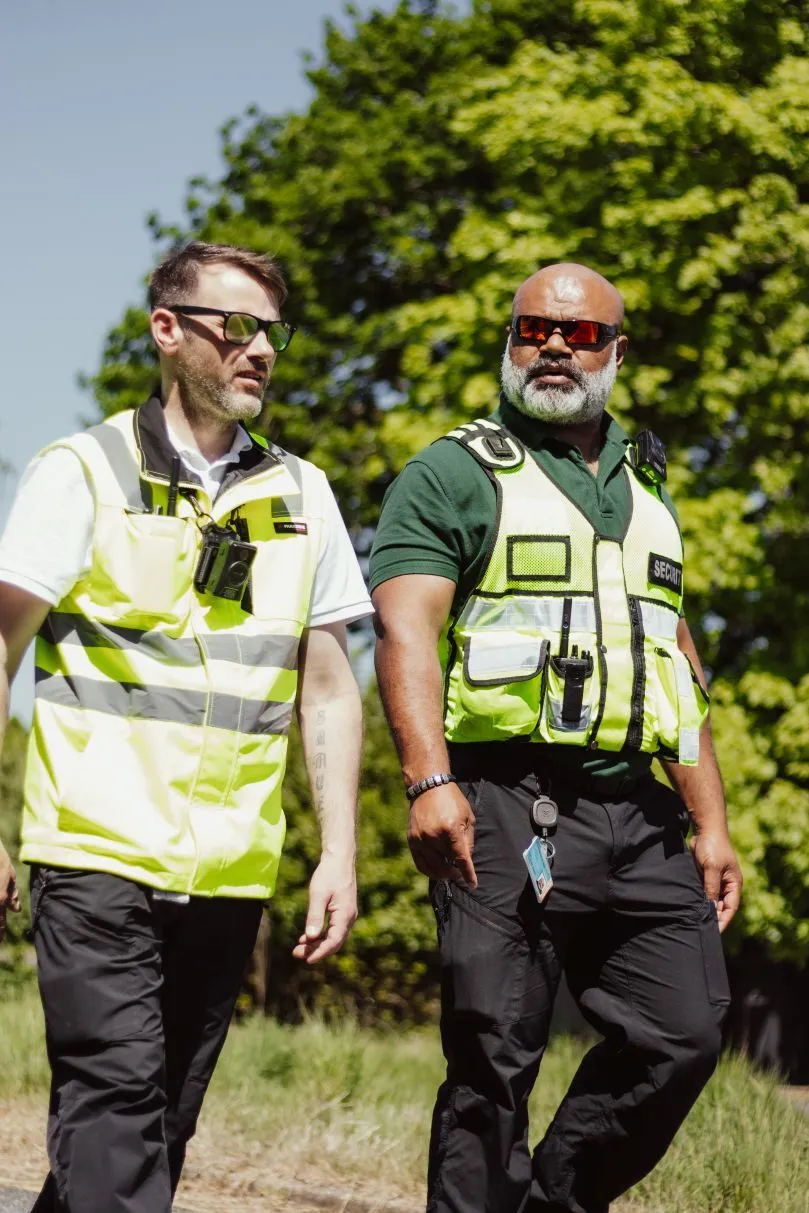
- Concierge Security: A service-led presence in the lobby, supporting reception, managing visitors, and providing a reassuring deterrent. Learn more at concierge security.
- Manned Guarding: Dedicated officers covering entrances, patrols, incidents, and access control. See manned guarding.
- Mobile Patrols: Scheduled or random patrol visits for quieter sites, car parks, or outbuildings. Explore security patrol contractors.
Hotels often choose a blended model. For example, they use concierge-style coverage early evening, then a more security-focused night post through to breakfast.
Night Shifts, Lone Working, And Escalation Procedures
Night-time is a higher-risk period for incidents and staff vulnerability. Build a simple escalation process that staff can follow under pressure.
- Lone Worker Plan: Define check-in times, missed check-in actions, and who responds.
- Escalation Levels: Set thresholds for when to call a manager, security, police, or medical support.
- Handover Process: Use written or digital handover notes for outstanding issues, barred guests, and faults.
- Patrol Frequencies: Set time-based patrols for corridors, fire exits, and car parks, with extra patrols after bar close.
Legal And Compliance Considerations For UK Hotels
Security touches multiple compliance areas. Treat compliance as part of daily operations, not a one-off task.
SIA Licensing Requirements And Supplier Due Diligence
- Verify Licences: Check officers hold the correct SIA licence for their role and that it is in date.
- Vetting: Confirm identity checks, right to work, and screening standards.
- Clear Assignment Instructions: Written duties reduce misunderstandings and protect the guest experience.
- Supervision: Ensure there is a supervisor and a clear reporting chain.
CCTV Compliance: Data Protection Act 2018 And UK GDPR
CCTV must operate in line with the Data Protection Act 2018 and UK GDPR. The ICO provides detailed guidance on governance, lawful basis, and individuals’ rights. See ICO guidance resources.
- Policies and Records: Maintain a CCTV policy, access logs, and an export procedure.
- Staff Training: Train managers on handling requests, redaction, and secure sharing.
- Third-Party Processors: If a third party monitors or maintains CCTV, ensure contracts cover data protection responsibilities.
Licensing Act 2003 (Hotels With Bars/Events) And Door Supervision Considerations
If your hotel operates a bar, sells alcohol, or hosts regulated entertainment, licensing conditions may influence security measures. This can include queue management, incident logs, and door supervision at certain times. GOV.UK provides an overview of requirements. See Alcohol And Entertainment Licensing Guidance.
- Align With Licence Conditions: Match staffing and procedures to any conditions on your premises licence.
- Event Risk Assessments: Run separate assessments for weddings, Christmas parties, and high-attendance functions.
- Entry Management: Use wristbands, guest lists, or ticket checks where appropriate.
Health And Safety Duties, Violence At Work, And Staff Training
Employers must assess and control risks, including violence and aggression. The HSE explains expectations and good practice. See HSE Guidance On Violence At Work.
- Violence and Aggression Risk Assessment: Identify triggers such as intoxication, late-night refusals, and evictions.
- Training: Provide conflict management and de-escalation training for front-of-house and night staff.
- Support After Incidents: Use debriefs, welfare checks, and a reporting culture to reduce repeat issues.
Operational Procedures That Prevent Incidents
Policies only work when they are easy to follow. Aim for short, clear procedures, reinforced through briefings and supervisor checks.
Guest Safeguarding, Welfare Checks, And Dealing With Vulnerable Persons
- Safeguarding Triggers: Signs of exploitation, coercive control, intoxication, or someone appearing distressed or fearful.
- Welfare Checks: A defined approach for concerns about a guest, including manager involvement and documentation.
- Children and Young People: Clear rules for unaccompanied minors and visitor access to rooms.
- Escalation: Know when to call the police or seek advice, and preserve evidence properly.
Incident Reporting, Evidence Preservation, And Police Liaison
Good reporting protects guests and staff. It also makes follow-up far more effective.
- Incident Log Standard: Record who, what, when, where, and what actions were taken.
- Evidence Preservation: Save CCTV clips securely, note camera numbers and times, and keep a chain-of-custody record.
- Lost Property Procedure: Record item description, finder, time, location, and storage movements.
- Police Liaison: Identify a point of contact and keep a consistent evidence pack of footage and statements.
Post-Incident Checklist (Template):
- Immediate Safety: Separate parties, provide first aid, and call emergency services if required.
- Preserve Evidence: Note exact times, secure CCTV exports, and identify witnesses.
- Report Internally: Complete the incident report before the end of the shift, where possible.
- Notify Stakeholders: Inform the duty manager and security lead, and consider insurer reporting if relevant.
- Debrief: Identify what failed, what worked, and what needs to change.
Handling Disruptive Guests: De-Escalation And Lawful Removal
- Early Intervention: Address low-level issues before they escalate.
- De-Escalation: Keep a calm tone, set clear boundaries, offer options, and avoid crowding the person.
- Witnessed Decisions: Where possible, have a second staff member present for refusals or evictions.
- Lawful Removal: Use proportionate actions and follow your policies, with police support where needed.
Hotel Security By Area: Reception, Corridors, Lifts, Car Park, Gym/Spa, And Conference Spaces
This area-by-area view helps you spot common failure points.
- Reception and Lobby: Control visitor flow, watch for tailgating, protect staff with panic alarms, and manage taxi pick-ups safely.
- Corridors and Guest Floors: Restrict access, ensure CCTV coverage at lift lobbies, and patrol at predictable risk times.
- Lifts And Stairwells: Use access controls where needed and check for misuse of fire doors.
- Car Parks: Improve lighting, add CCTV and signage, and patrol after bar close and during early hours.
- Gym And Spa: Control access for members and guests, manage valuables, and give staff clear escalation routes.
- Conference And Event Spaces: Use zoning, wristbands or lanyards, secure AV equipment, and assign a visible security point of contact.
- Back Of House: Lock stores, control contractor access, secure waste areas, and audit keys.
How To Choose A Hotel Security Provider (UK Checklist)
If you are considering outsourced hotel security, focus on compliance, supervision, reporting quality, and the guest experience. You can also explore tailored options through bespoke security.
What To Ask: Licensing, Training, Vetting, KPIs, Reporting, And Supervision
- Which SIA Licences Will Officers Hold: Confirm the licence type matches the duties.
- What Training Is Included: Conflict management, safeguarding awareness, customer service, and site-specific induction.
- How Are Officers Vetted: Screening, right to work checks, and ongoing compliance.
- What Are The KPIs: Patrol completion, incident response times, quality of reports, and guest complaint metrics.
- How Will Reporting Work: Daily occurrence logs, incident summaries, and weekly or monthly trend reports.
- Who Supervises The Team: A named supervisor, audit visits, and performance management.
What Good Looks Like: Visible Deterrence, Guest Experience, And Brand Fit
- Service-Led Presence: Officers who assist guests while quietly controlling risks.
- Consistent Standards: Smart presentation, clear communication, and professional judgement.
- Proactive Prevention: Spotting vulnerabilities before incidents, such as poor lighting or repeat trespassers.
To see how a security partner can work in real environments, browse case studies or learn more about us.
Frequently Asked Questions
How Many Security Guards Does A Hotel Need?
It depends on risk, layout, and operating hours. Common coverage models include:
- Low-Risk, Smaller Hotels: No dedicated guard, supported by strong procedures and remote monitoring.
- Mid-Risk Or Larger Sites: One concierge-security officer during peak footfall, plus night cover at weekends.
- High-Risk or Late-Night Venues: Multiple officers for the lobby, patrols, and door supervision during peak periods.
A site survey and risk assessment is the fastest way to set an appropriate, cost-effective model.
Is CCTV Mandatory In UK Hotels?
CCTV is not universally mandatory for all UK hotels. However, insurers often expect it, and it helps investigations after an incident. If you use CCTV, it must comply with the Data Protection Act 2018 and UK GDPR, including signage, governance, and secure handling of footage.
Can Hotel Staff Act As Security Without An SIA Licence?
Hotel staff can carry out many safety and customer service tasks without an SIA licence. However, if a role involves licensable security activity as a primary function, the correct SIA licence is usually required. Always assess the duties, not just the job title.
Fun Fact: Service-Led Security Can Improve Guest Satisfaction
Many UK hotels use service-led security, where officers blend concierge-style guest support with protective duties. When done well, it deters crime while keeping the atmosphere welcoming, which can help satisfaction scores.
Conclusion
UK hotel security works best as a risk-led programme. It should combine physical controls, lawful CCTV, trained people, and procedures that staff can follow. Start with a site-specific risk assessment, then build layered protection around access control, key management, staff safety, incident reporting, and compliance with SIA, UK GDPR, and licensing expectations.
If you would like a tailored, guest-friendly security plan, speak with Lead Element Security via contact us or explore security services to find the right fit for your hotel.