![What does warehouse security include [city]](https://leadelementsecurity.co.uk/wp-content/uploads/2026/06/What-does-warehouse-security-include-1024x683.webp "What does warehouse security include | Lead Element Security Group Ltd")
Table of Contents
- Warehouse Security: What It Includes (Quick Overview)
- Why Warehouses Are Targeted (Common Threats And Vulnerabilities)
- Physical Security Measures (Site, Perimeter And Building)
- Access Control And Identity Management
- Manned Security (Guards, Patrols And Gatehouse)
- Electronic Security Systems (Detection, Deterrence And Response)
- Operational Security Processes (What Good Looks Like Day-To-Day)
- Compliance And Standards To Consider In The UK
- How To Choose The Right Warehouse Security Package
- Warehouse Security Checklist (Printable-Style)
- FAQs
- Fun Fact: Why Small Losses Often Beat Big Break-Ins
- Conclusion
Warehouse security typically includes layered protection across the building and yard. This covers controlled access (gates, barriers, and passes), trained SIA-licensed guards and patrols, CCTV and monitored alarms, perimeter fencing and lighting, visitor and vehicle checks, key and asset control, clear incident response procedures, and robust policies for staff, contractors, and deliveries.
In practice, effective warehouse security is not one single measure. It is a joined-up plan that combines people (guards and supervision), processes (goods-in and goods-out controls, visitor rules, incident reporting), and technology (CCTV, alarms, and access control).
This guide breaks down what a typical UK warehouse security package includes, which risks it addresses, and how to choose the right level of protection for your site.
Warehouse Security: What It Includes (Quick Overview)
If you need a quick answer, warehouse security usually covers these core areas:
- Perimeter and Yard Protection: Fencing, gates, barriers, lighting, and clear sightlines to deter trespass and yard crime.
- Controlled Access: Staff badges, restricted areas, visitor sign-in, and contractor controls to stop unauthorised entry.
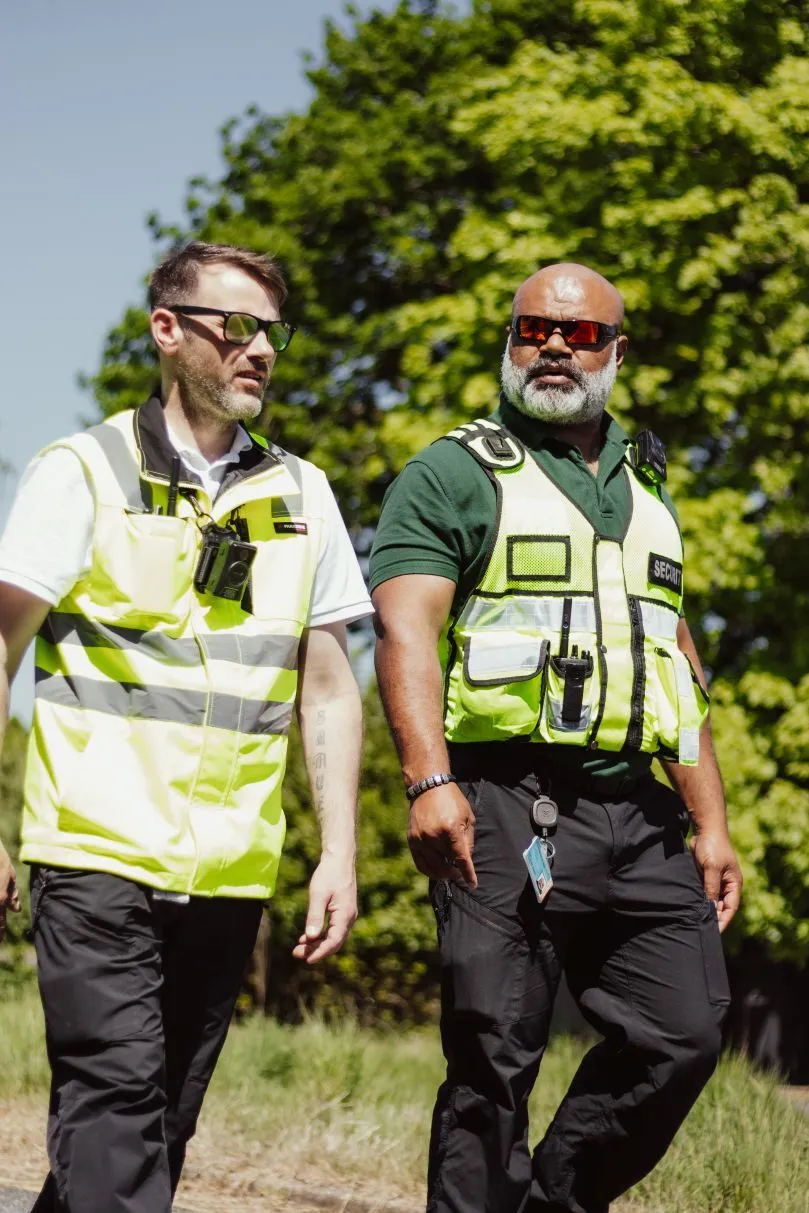
- Manned Guarding: SIA-licensed guards for gatehouse checks, patrols, incident response, and deterrence.
- Electronic Systems: CCTV, intruder alarms, sensors, intercoms, ANPR, and remote monitoring for detection and evidence.
- Operational Procedures: Goods-in and goods-out checks, anti-shrink routines, high-value stock handling, and chain of custody.
- Incident Management: Reporting, evidence handling, escalation, and police liaison to improve outcomes.
- UK Compliance: SIA licensing for guards, UK GDPR compliance for CCTV, plus documented health and safety risk assessments.
If you are comparing options, it may help to review Lead Element Security security services, then build a risk-led plan around your building layout, yard activity, and stock profile.
Why Warehouses Are Targeted (Common Threats And Vulnerabilities)
Warehouses are attractive targets because they combine valuable stock, predictable delivery routines, and frequent movement of people and vehicles. Weak points often appear at handover areas, such as gates, loading bays, high-value pick zones, and returns.
External Theft And Organised Cargo Crime
- Yard Intrusions: Offenders target trailers, parked HGVs, fuel tanks, and unattended loads.
- Forced Entry: Attacks on shutters, doors, roof lights, or weak sections of the perimeter.
- Timing The Gaps: Break-ins during shift changes, weekends, or low-staffed night operations.
Insider Risk (Employee Theft And Collusion)
- Shrink Through Small Losses: Repeated low-level theft, mis-picks, or unauthorised write-offs that are hard to spot day to day.
- Collusion: Insider knowledge of blind spots, patrol times, or how goods-out checks work.
- Privilege Misuse: Access cards or keys used outside authorised times or areas.
Unauthorised Access, Vandalism And Trespass
- Tailgating: People follow through doors or vehicle gates without authorisation.
- Visitor Loopholes: Poor sign-in, unclear host responsibility, and unescorted movement on site.
- Opportunistic Damage: Graffiti, vandalism, or nuisance entry that escalates if unchallenged.
Fire, Safety Incidents And Business Interruption
- Fire Risk: Warehouses can contain high fuel loads (packaging and pallets) and long travel distances to exits.
- Unsafe Acts: Unauthorised smoking, blocked fire doors, or poor housekeeping that creates hazards.
- Downtime Costs: Even a short closure can disrupt fulfilment and customer service levels.
Physical Security Measures (Site, Perimeter And Building)
Physical security is the foundation. It slows intruders down, improves detection, and reduces easy access.
Perimeter Fencing, Gates, Barriers And Anti-Ram Protection
- Fencing Appropriate To Risk: Weldmesh or palisade fencing, maintained to remove gaps and climbing aids.
- Controlled Vehicle Gates: Sliding or swing gates with intercoms, cameras, and clear gate procedures.
- Anti-Ram Measures: Bollards or barriers that protect vulnerable doors, shutters, and high-value zones.
Lighting, Sightlines And Secure Boundary Design
- Lighting Coverage: Consistent lighting around entrances, loading bays, and yard parking to support clear CCTV images.
- Clear Sightlines: Fewer hiding places near fences and gates, supported by vegetation control.
- Designing Out Crime: Layered security principles aligned with protective security good practice.
For protective security concepts and risk-led layering, see CPNI protective security guidance.
Doors, Shutters, Locks And Secure Zones Inside The Warehouse
- Upgraded Door Sets: Strong frames, hinge bolts, and secure locking on external doors.
- Loading Bay Controls: Shutters and doors kept closed when not in active use, with clear accountability.
- Internal Zoning: High-value cages, controlled pick faces, and restricted areas for returns or damaged stock.
Access Control And Identity Management
Access control reduces outsider intrusion and insider misuse. The aim is simple: only the right people, in the right areas, at the right times.
Staff Access Levels, Badges And Restricted Areas
- Role-Based Access: Separate access for warehouse operatives, supervisors, maintenance, and office staff.
- Badge Discipline: Visible ID, lost-card reporting, and immediate deactivation for leavers.
- Time Profiles: Alerts for out-of-hours access or unusual movement patterns.
Visitor Management And Contractor Sign-In
- Verified Sign-In: ID checks where appropriate, visitor logs, and host confirmation.
- Briefings: Site rules, PPE expectations, fire procedures, and restricted zones.
- Escorting: Visitors and contractors escorted unless specifically authorised.
Key Control, Lock Management And Audit Trails
- Key Cabinets And Logs: Signed issue and return, supported by regular audits.
- Restricted Keyrings: Limit master key access and document exceptions.
- Evidence-Ready Records: A clear audit trail supports investigations and insurance claims.
Manned Security (Guards, Patrols And Gatehouse)
Manned security adds judgement and immediate action. It is especially useful for busy yards, high-value stock, or sites with frequent visitors and deliveries.
If you are exploring options, see Lead Element Security manned guarding and Lead Element Security security patrol contractors.
Static Guarding Vs Mobile Patrols
- Static Guarding: Best for continuous control of entrances, gatehouse operations, and rapid on-site response.
- Mobile Patrols: Best for deterrence, perimeter checks, and cost-effective out-of-hours coverage.
- Hybrid Coverage: Common for distribution centres, combining a gatehouse presence with scheduled patrols.
Gatehouse Duties: Vehicle Checks, Manifests And Driver Verification
- Driver Verification: Confirm identity, company, booking reference, and instructions before granting access.
- Vehicle and Trailer Checks: Check for suspicious damage, unusual seals, or unauthorised passengers.
- Manifest Discipline: Record arrivals, departures, bay allocations, and exceptions in a clear log.
Search Policies (People, Vehicles And Goods) And How To Do Them Lawfully
- Written Policy First: Clear rules, signage where appropriate, and consistent application to reduce disputes.
- Proportionate And Respectful Searches: Carried out by trained staff, with privacy and dignity considered.
- Accurate Records: Who was searched, when, by whom, and outcomes, logged for accountability.
For UK licensing expectations for guarding roles, refer to the Security Industry Authority (SIA).
Electronic Security Systems (Detection, Deterrence And Response)
Technology helps you spot problems early, confirm what is happening, and keep evidence. The key factor is not the number of cameras or sensors. It is whether coverage and response match your risks.
CCTV Coverage, Monitoring And Retention
- Coverage Plan: Entrances, loading bays, high-value zones, goods-out points, and yard approaches.
- Image Quality: Sufficient resolution and lighting for identification, not just basic footage.
- Retention Policy: Kept only as long as necessary, based on risk, investigation needs, and storage limits.
For CCTV privacy, signage, and retention principles, use the ICO CCTV and video surveillance guidance.
Intruder Alarms, Sensors And Alarm Response
- Detection Layers: Door contacts, motion sensors, beam detection, and shock sensors where appropriate.
- Verified Alarms: Video verification can reduce false call-outs and speed up decisions.
- Response Plan: Clear escalation, keyholding arrangements, and police liaison processes.
Intercoms, ANPR And Video Verification At Gates
- Intercom Control: Reduce tailgating pressure by controlling conversations and identity checks at the gate.
- ANPR: Match number plates to bookings and flag unexpected vehicles.
- Audit Trails: Automatic logs support investigations and performance reporting.
Remote Monitoring And Out-Of-Hours Escalation
- Live Oversight: Operators can challenge intruders via audio and alert mobile response.
- Priority Escalation: A call list that reflects operational reality and is kept up to date.
- Evidence Preservation: Secure relevant CCTV clips and incident notes quickly, while details are fresh.
Operational Security Processes (What Good Looks Like Day-To-Day)
Warehouses can have strong cameras and still lose stock if daily routines are weak. The best results come from simple, consistent processes that are supervised and audited.
Goods-In/Goods-Out Controls And Anti-Shrink Procedures
- Goods-In Checks: Count, check condition, and reconcile against purchase orders and delivery notes.
- Goods-Out Verification: Random checks, seal checks, and controlled dispatch areas to prevent extra items.
- Returns Discipline: A documented returns process to prevent unauthorised returns and write-off abuse.
Stock Control, High-Value Cages And Chain Of Custody
- High-Value Storage: Cages or secure rooms with named access permissions.
- Segregation Of Duties: Separate picking, checking, and dispatch sign-off where practical.
- Chain of Custody: Track who handled an item at each step, especially for high-value or controlled goods.
Incident Reporting, Evidence Handling And Police Liaison
- Consistent Reporting: Standard incident logs, timestamps, and clear categorisation (theft, trespass, health and safety, damage).
- Evidence Handling: Preserve CCTV clips, keep originals unchanged, and record who accessed copies.
- Escalation and Liaison: Agreed thresholds for contacting police, insurers, and senior management.
Emergency Procedures: Fire, First Aid And Lockdown
- Lockdown Procedure: Who can authorise it, which doors are secured, and how staff are accounted for.
- Fire And First Aid Support: Guards can help with marshalling, emergency service access, and cordons.
- Regular Drills: Test procedures so everyone knows what to do under pressure.
Compliance And Standards To Consider In The UK
Compliance is not just a box-tick exercise. It reduces legal risk, protects staff and visitors, and makes your security programme easier to manage.
SIA Licensing And Guard Training Expectations
- Licensing: UK guarding roles typically require appropriately licensed security operatives.
- Site Induction: Warehouse-specific training on gatehouse rules, key risks, and escalation paths.
- Supervision: A clear management structure, such as a site supervisor, plus regular reviews and KPI reporting.
You can confirm regulator information at the SIA.
CCTV Privacy, Signage And GDPR/UK Data Protection
- Lawful Basis: Record why CCTV is needed and which risks it addresses.
- Signage: Clear signs that explain CCTV is in use and who controls the system.
- Access Controls: Restrict who can view footage, keep audit logs, and handle subject access requests correctly.
For practical guidance, use the ICO CCTV guidance.
Health And Safety Duties And Risk Assessments
Security and safety overlap in access control, emergency response, and contractor management. A documented risk assessment supports both and helps you stay consistent.
For a straightforward method, see the HSE risk assessment guidance.
How To Choose The Right Warehouse Security Package
The right package depends on your risks, not what another site uses. A small SME warehouse may need strong basics and targeted improvements. A large distribution centre may need 24/7 gatehouse control, layered technology, and detailed SOPs.
A Simple Risk Assessment Approach (Size, Location, Stock Profile)
- Site Profile: Location, neighbouring risks, visibility from roads, and history of incidents.
- Stock Profile: High-value, easily resold items, controlled goods, or branded products.
- Operating Model: Shift patterns, delivery peaks, night operations, and contractor volumes.
- Vulnerable Points: Gates, loading bays, pedestrian doors, roof access, and internal high-value zones.
What To Ask A Security Provider (SOPs, Supervision, Reporting, KPIs)
- Site-Specific SOPs: Gatehouse checks, patrol routes, visitor rules, and incident escalation, written and agreed.
- Supervision Model: Who checks performance, how often, and how issues are corrected.
- Reporting: Daily activity logs, incident reports, and trend summaries you can act on.
| KPI | What It Measures | Why It Matters |
|---|---|---|
| Patrol Completion Rate | Whether planned patrols were completed and verified | Shows consistency and reduces predictable gaps |
| Alarm Response Time | Time from activation to action and escalation | Improves outcomes and supports insurer expectations |
| Incident Rate By Type | Thefts, trespass, damage, safety issues, near-misses | Reveals patterns and helps prioritise investment |
| Shrinkage Trend | Stock loss over time, adjusted for volume | Highlights process leakage and insider risk signals |
To see how Lead Element Security approaches reporting and outcomes across different sites, visit Lead Element Security case studies.
Cost Drivers: Hours, Coverage, Technology, Peak Periods And Response
- Coverage Hours: 24/7 gatehouse and patrol coverage costs more than nights and weekends only.
- Site Complexity: Multiple entrances, large yards, and high trailer volumes require more control.
- Risk Level: High-value stock and higher incident rates often justify extra layers and faster response.
- Peak Periods: Seasonal surges may need a temporary uplift in guarding and checks.
If you want a tailored, risk-led proposal, Lead Element Security can design a layered plan through bespoke security. For next steps, use the contact page.
Warehouse Security Checklist (Printable-Style)
- Perimeter: Fencing intact, no gaps, clear boundary lines, and gates controlled.
- Lighting: Adequate coverage for entrances, loading bays, and yard parking.
- Doors and Shutters: Secure hardware, closed when not in use, faults logged and fixed quickly.
- Access Control: Role-based permissions, leavers removed promptly, and restricted zones enforced.
- Visitors And Contractors: Verified sign-in, briefed, logged, and escorted as required.
- Gatehouse Procedures: Driver verification, booking confirmation, and clear records of movements.
- CCTV: Coverage of key points, tested regularly, signage in place, retention policy documented.
- Intruder Alarm: Detection layered, false alarms managed, response plan tested.
- Goods-In: Counts and reconciliation, with exceptions documented.
- Goods-Out: Dispatch controls, random checks, and seal checks where appropriate.
- High-Value Stock: Secure cages, limited access, and chain of custody controls.
- Incident Management: Reporting templates, evidence handling steps, and escalation contacts up to date.
- Emergency Planning: Fire procedures, first aid support, and lockdown process understood and practised.
- KPIs: Patrol verification, response times, and shrinkage trends reviewed monthly.
FAQs
Do I Need Guards If I Already Have CCTV?
Not always, but CCTV alone cannot physically challenge intruders, control gates, or manage visitors and drivers. A common approach is:
- CCTV Plus Remote Monitoring: Suitable for lower-risk sites with strong perimeter controls and limited traffic.
- Guards Plus CCTV: Suitable for busy yards, high-value stock, or repeated incidents where deterrence and fast action matter.
- Hybrid: Gatehouse or key hours covered by guards, with out-of-hours supported by alarms and remote monitoring.
How Long Should CCTV Footage Be Kept In The UK?
There is no single fixed period that applies to every warehouse. Retention should be no longer than necessary for your purpose, balanced against incident discovery times and investigation needs.
Many sites choose a risk-based period and document it. They also restrict access and log viewing. Use the ICO’s CCTV guidance to set and justify your approach.
What’s The Difference Between Security Patrols And Static Guarding?
- Security Patrols: Periodic checks of the perimeter, doors, yard, and internal zones, focused on detection and deterrence.
- Static Guarding: Continuous presence at key points such as gatehouses, reception, or high-risk areas, focused on control and immediate response.
Fun Fact: Why Small Losses Often Beat Big Break-Ins
Many warehouses lose more to process leakage than dramatic break-ins. Small repeat losses, such as mis-picks, unauthorised returns, and weak goods-out checks, can add up quickly. That is why effective warehouse security relies on procedures as much as cameras and guards.
Conclusion
Warehouse security in the UK typically includes a layered mix of perimeter and building protection, access control, SIA-licensed guarding, CCTV and alarms, and day-to-day processes that reduce shrink and support investigations.
If you want help scoping the right blend for your site, speak to Lead Element Security via our contact page or explore more security guidance on the blog.