
Table of Contents
- What Security Do Healthcare Sites Need In The UK? (Quick Overview)
- Why Healthcare Sites Are High-Risk (People, Property And Patient Data)
- Legal And Compliance Requirements (UK)
- Physical Security Essentials For Healthcare Premises
- Operational Security Procedures (Often The Biggest Gap)
- When Healthcare Sites Should Use Manned Guarding Or Mobile Patrols
- Site-By-Site Checklist (GP, Dental, Hospital, Private Clinic, Care Setting)
- How To Run A Healthcare Security Risk Assessment
- FAQs
- Fun Fact: Security By Design Can Reduce Incidents Without New Tech
- Next Steps: Build A Proportionate Security Plan For Your Healthcare Site
Direct Answer Summary: UK healthcare sites need a risk-based mix of physical, procedural and information security. This usually includes controlled access to buildings and sensitive areas, robust visitor management, suitable CCTV and alarms, clear incident and lone-worker procedures, and SIA-licensed guarding where risks justify it. Sites must also meet data security duties under UK GDPR and NHS data security standards.
From GP practices and dental surgeries to private clinics, hospitals and care settings, healthcare premises face a unique blend of risk. They have high footfall, heightened emotions, valuable medicines and devices, and highly sensitive patient information. The right approach is not “more security”. It is proportionate security, designed around your people, your layout, your services, and the data you handle.
This guide explains what UK healthcare sites typically need. It separates legal and regulatory duties from best-practice controls. You will also find checklists, a simple risk assessment template, and practical steps you can use immediately.
What Security Do Healthcare Sites Need In The UK? (Quick Overview)
Most UK healthcare sites should use a layered model covering people, premises, and information. As a baseline, aim for:
- Controlled Access: Reception control, staff-only zoning, and secure doors to back offices, records areas, and medicines storage.
- Visitor Management: A sign-in process, contractor control, and rules for escorts in restricted areas.
- CCTV and Alarms Where Justified: Cameras to deter and investigate incidents, plus intruder and panic alarms in higher-risk areas like reception.
- Violence And Aggression Controls: De-escalation training, clear escalation routes, and safer reception layouts.
- Lone Worker And Out-Of-Hours Controls: Keyholding discipline, lock-up procedures, and clear call-out arrangements.
- Information Security In Public Areas: Screen positioning, confidential waste disposal, and device security to prevent opportunistic data loss.
- Compliance: UK GDPR and Data Protection Act duties, plus the NHS Data Security and Protection Toolkit (DSPT) where applicable.
- SIA-Licensed Security (When Needed): If you use manned guarding or door supervision, ensure correct SIA licensing and suitable training.
If you need support scoping a proportionate plan, Lead Element Security can help you design, implement, and manage healthcare-appropriate measures through our security services, from guarding to patrols and bespoke site support.
Why Healthcare Sites Are High-Risk (People, Property And Patient Data)
Healthcare sites are open by nature. They must stay welcoming and accessible while protecting staff, patients, visitors, and sensitive data. This creates predictable pressure points:
- High Footfall And Queues: Busy receptions can trigger conflict and create opportunities for theft.
- Emotionally Charged Situations: Anxiety, pain, and distress can increase the risk of aggression.
- Valuable Assets: Medicines, controlled drugs, laptops, and medical devices are attractive targets.
- Special Category Data: Health data is especially sensitive under UK GDPR. Mishandling it can lead to regulatory action and loss of trust.
Common Threats: Aggression, Theft, Vandalism, Unauthorised Access And Data Breaches
Common real-world issues across UK healthcare premises include:
- Violence And Aggression: Verbal abuse, threats, and physical incidents, often focused at reception or triage points.
- Opportunistic Theft: Phones, bags, laptops, and clinical equipment from public and semi-public areas.
- Medicines Diversion: Targeting prescription pads, drug cupboards, and deliveries.
- Unauthorised Access: Tailgating through staff-only doors, wandering into treatment rooms, or entering admin areas.
- Vandalism and Criminal Damage: Often out of hours, including break-ins via rear doors and poorly lit areas.
- Data Incidents: Overheard conversations, visible screens, lost devices, and inappropriate access to records.
Legal And Compliance Requirements (UK)
Security in healthcare is not only about preventing crime. It is also about governance, accountability, and showing that your controls match the risks you face.
Important: This section is a practical overview, not legal advice. If you are unsure, speak to your Data Protection Officer (DPO), Caldicott Guardian (where applicable), or legal adviser.
UK GDPR And Data Protection Act 2018: Protecting Special Category Health Data
Health information is usually “special category data” under UK GDPR. This means stronger protections are expected. In practice, healthcare sites should:
- Limit Access: Restrict patient information to authorised staff, using role-based access where possible.
- Protect Confidentiality In Public Spaces: Reduce shoulder surfing at reception and avoid calling out sensitive details.
- Secure Storage And Disposal: Lock paper records, secure prescription stationery, and use confidential waste streams.
- Control CCTV And Incident Logs: Keep footage and reports secure, with limited and auditable access.
Official guidance is available via GOV.UK data protection and the ICO UK GDPR guidance.
NHS Data Security And Protection Toolkit (DSPT): What It Is And Who Needs It
The Data Security and Protection Toolkit (DSPT) is an online self-assessment. It is used to measure and evidence data security standards across organisations that handle NHS patient data. Many organisations that access NHS systems or process NHS patient information are expected to complete it. This can include suppliers and partners, depending on contracts.
- What DSPT Does: Helps you show appropriate technical and organisational measures for protecting data.
- How It Relates To Physical Security: Site security, CCTV governance, device protection, and visitor controls all support data protection outcomes.
See the official toolkit at NHS DSPT.
CQC Expectations And Safeguarding Duties (Where Applicable)
If your service is regulated, the Care Quality Commission (CQC) focuses on safety, leadership, governance, and safeguarding. Security controls support these outcomes. They help prevent unauthorised access, protect vulnerable people, and ensure incidents are recorded and learned from.
You can cross-check expectations using CQC guidance for providers.
SIA Licensing: When Guards And Door Supervision Must Be Licensed
If you use security operatives in licensable roles, they must usually hold an SIA licence. This often applies to manned guarding and door supervision. Healthcare settings may use licensed officers for reception security, emergency department support, mental health environments, or high-risk clinics.
- What To Do: Check each officer’s licence status and ensure the role matches the licence type.
- Procurement Tip: Ask about screening and ongoing training, not just licensing.
Use the official source for details at SIA licensing.
CCTV Compliance: Lawful Basis, Signage, Retention And Access Requests
CCTV can be appropriate in healthcare, but you must operate it lawfully and proportionately. Key governance points include:
- Lawful Basis And Purpose: Define why you are filming, for example staff safety, crime prevention, or protecting medicines, and document it.
- Signage: Place clear signs at entrances and near monitored areas. State that CCTV is in operation, the purpose, and how to contact the operator.
- Retention: Keep footage only as long as needed for the purpose, then delete it securely. Document your retention rationale.
- Access Controls: Limit access to authorised staff, keep an audit trail of exports, and store footage securely.
- Subject Access Requests (SARs): Have a process to locate footage, redact third parties where required, and respond within statutory timeframes.
For detailed expectations on surveillance and data protection, refer to ICO guidance.
Physical Security Essentials For Healthcare Premises
Physical security should support care delivery, not obstruct it. The goal is to guide people to the right places, reduce opportunities for incidents, and help staff respond quickly when something goes wrong.
Access Control: Reception Barriers, Staff Badges, Zoning And Restricted Areas
Start by defining zones, then apply controls to match:
- Public Zone: Waiting areas and public toilets, designed for visibility and easy supervision.
- Semi-Public Zone: Consultation corridors and treatment waiting areas, with access controlled by staff direction.
- Restricted Zone: Records, staff rooms, IT cupboards, medicines areas, and clinical storage, with access limited to authorised roles.
Practical measures include:
- Reception Design: Reception screens or controlled-height counters to reduce grab risks and protect staff space.
- ID and Badging: Staff badges worn consistently, with visitor badges that stand out and expire daily.
- Anti-Tailgating Habits: Clear signage and a culture of politely challenging unfamiliar people.
Perimeter And Entry Points: Doors, Locks, Shutters And Lighting
Many incidents start with basic building weaknesses. Prioritise:
- Door and Window Security: Good-quality locks, maintained closers, and secure rear doors.
- Lighting: Well-lit entrances, car parks, and staff access routes to reduce concealment and improve CCTV effectiveness.
- Key Control: Logged key issue and return, especially for drugs cabinets, stores, and plant rooms.
CCTV And Monitoring: Coverage Planning And Blind Spot Reduction
CCTV works best when you plan coverage around risk and behaviour, not guesswork. Consider:
- Priority Areas: Reception, entrances, car parks, corridors to restricted zones, and medicine delivery points.
- Privacy Balance: Avoid cameras where privacy expectations are highest, unless there is a clear and documented need.
- Image Quality: Ensure footage is usable for identification, especially at entrances where faces matter.
Intruder Alarms And Panic Alarms: Where They Matter Most
Two alarm types usually matter most in healthcare:
- Intruder Alarms: Protect the building out of hours and high-value rooms internally.
- Panic Alarms: Provide rapid support for reception and staff facing aggression.
Make sure panic activations have a clear response path. Define who responds, expected timings, and how you record incidents.
Asset Protection: Medicines, Controlled Drugs, Laptops And Medical Devices
Asset protection is both a safety and a continuity issue. Focus on:
- Medicines and Controlled Drugs: Secure cabinets, strict key control, and restricted access to storage areas.
- Prescription Stationery: Lock it away and monitor use, with clear reporting for any loss.
- Portable Devices: Cable locks or secure cupboards, device tracking, and reminders not to leave kit unattended.
Operational Security Procedures (Often The Biggest Gap)
Many healthcare sites have technology in place. Fewer have procedures staff can follow under pressure. Operational controls turn security equipment into real protection.
Visitor Management: Sign-In, ID Checks, Escorts And Contractor Control
A good visitor process is simple enough for daily use and strong enough to reduce risk:
- Sign-In And Visible Badges: Record name, company, arrival time, host, and permitted areas.
- ID Checks When Appropriate: Particularly for contractors accessing plant rooms, IT areas, or attending out of hours.
- Escorts For Restricted Areas: Visitors should not move around staff-only zones unaccompanied.
- Contractor Rules: Set expectations for tools, access routes, safeguarding awareness, and confidentiality.
Managing Violence And Aggression: De-Escalation, Safe Rooms And Reporting
This is a priority for many sites because it affects recruitment, retention, and wellbeing.
- Reception Layout: Keep clear sightlines, minimise clutter, and position seating to reduce crowding at the desk.
- De-Escalation Scripts: Give staff simple phrases, for example: “I want to help, but I cannot do that while being shouted at.”
- Safe Retreat Options: Provide a staff-only route or secure room where possible.
- Consistent Reporting: Log every incident, including verbal abuse, to spot patterns and improve controls.
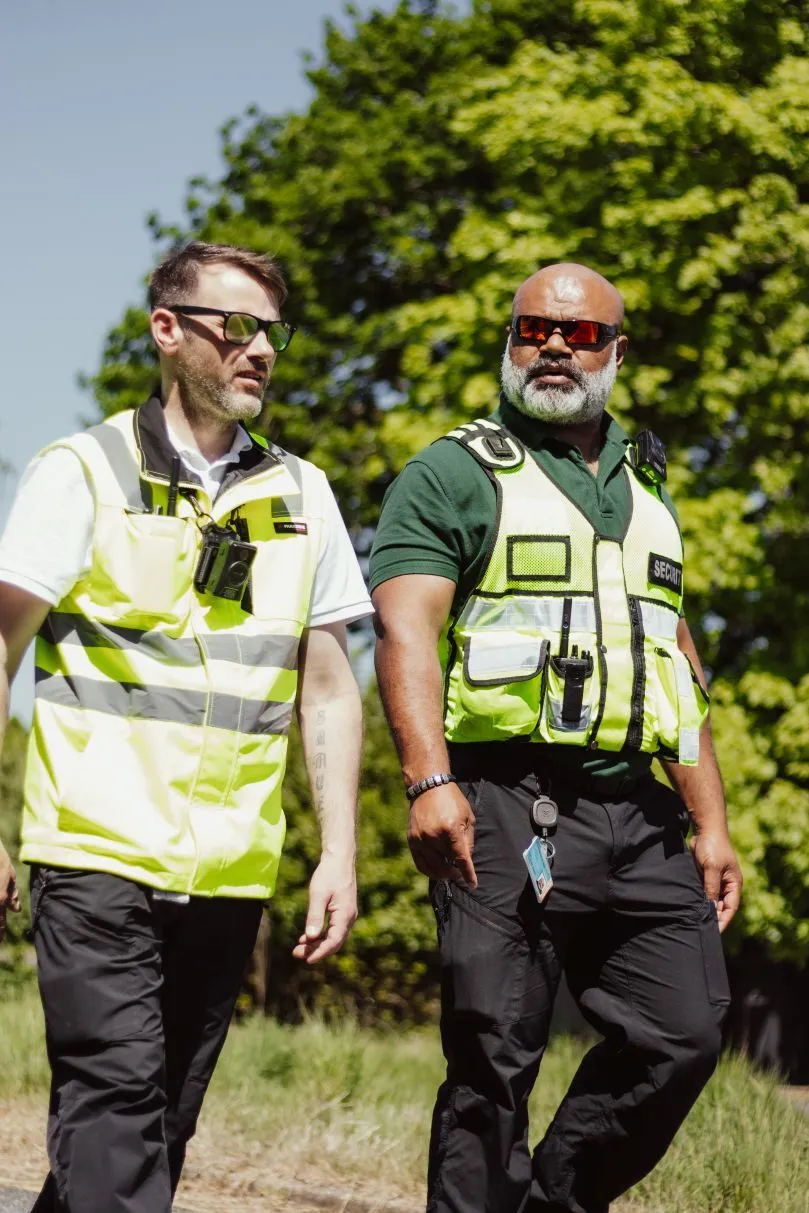
Where risk is higher, consider a trained security presence. Lead Element Security provides manned guarding and front-of-house options that support customer service and safety.
Lone Worker And Out-Of-Hours Controls: Keyholding And Call-Out Processes
Lone working is common in clinics, small practices, and community settings. Minimum controls include:
- Planned Routines: Staff notify a colleague or manager when opening and closing.
- Keyholding Discipline: Named keyholders, written procedures, and rapid escalation if keys go missing.
- Call-Out Clarity: Define who responds to an alarm, what they do on arrival, and when to call the police.
For lower-cost deterrence and reassurance, security patrols can add visibility out of hours.
Incident Response: What To Do After A Security Incident (And Who To Notify)
After an incident, speed and structure matter. Build a simple playbook:
- Make Safe: Prioritise immediate safety, first aid, and separation from the threat.
- Preserve Evidence: Save CCTV, note times, keep logs factual, and avoid altering scenes if police may attend.
- Report Internally: Inform duty managers, safeguarding leads, and data protection leads as needed.
- Notify Externally When Required: Call the police for crimes in progress or serious threats. Assess whether any personal data breach needs reporting to the ICO.
- Learn And Improve: Review what happened, update controls, and brief staff.
Governance Tip: Set clear retention rules for incident logs and CCTV exports. Limit access and keep an audit trail.
When Healthcare Sites Should Use Manned Guarding Or Mobile Patrols
Not every healthcare site needs on-site guards. However, some environments benefit significantly. Key factors include footfall, incident history, layout, opening hours, and local crime patterns.
Typical Scenarios: A&E, Mental Health Units, Vaccination Clinics, Private Clinics
- A&E and Urgent Care: Higher risk of aggression, intoxication, and unpredictable footfall.
- Mental Health Settings: Enhanced safeguarding and access control needs.
- Vaccination or Screening Clinics: Peak-time queues and crowd management challenges.
- Private Clinics: Reputation protection, discreet concierge-style security, and asset protection.
Where appropriate, consider concierge security to combine front-of-house support with strong access control and incident management.
What To Expect From A Security Provider: SIA, Vetting, Training And KPIs
To procure and manage guarding properly, ask for evidence of competence and governance:
- SIA Licensing: Correct licence for the role, with checks completed and recorded.
- Screening: Ask whether personnel are screened to recognised standards, for example BS7858-style screening, and how often it is refreshed.
- Healthcare-Specific Training: Conflict management, safeguarding awareness, confidentiality, and strong incident reporting.
- Post Orders: Site-specific instructions covering patrol routes, access rules, escalation, and documentation.
- Measurable KPIs: Response times to panic alarms, incident report quality, patrol completion, and staff feedback.
If you want to see what good looks like in practice, explore case studies from Lead Element Security.
Site-By-Site Checklist (GP, Dental, Hospital, Private Clinic, Care Setting)
These checklists are an audit-ready starting point. They separate baseline controls for smaller sites from enhancements for larger or higher-risk settings.
Minimum Baseline Controls For Small Practices
- Reception Control: Clear line of sight, a barrier or screen, and a discreet panic alarm for staff.
- Doors And Zoning: Staff-only doors kept locked, especially to back offices and storage.
- Visitor Process: Simple sign-in for contractors and non-routine visitors.
- CCTV (If Used): Clear signage, a documented purpose, controlled retention, and restricted access.
- Device Discipline: Lock screens, position monitors away from public view, and secure laptops when not in use.
- Confidential Waste: Secure bins and reliable collection arrangements.
- Opening and Closing Routine: A two-person close where possible, or lone-worker check-ins.
- Incident Log: Consistent reporting, plus a clear escalation route for aggression and security concerns.
Enhanced Controls For Larger, Higher-Footfall Sites
- Access Control System: Fobs or cards with role-based permissions and audit logs.
- Formal Visitor Badging: Photo or colour-coded passes, plus escorts in restricted zones.
- Security Presence: Licensed security for peak periods or known hotspots.
- Control Room or Monitoring: Clear monitoring responsibilities and rapid response protocols.
- Safer By Design Layout: Queue management, improved sightlines, and controlled entry points.
- Regular Audits: CCTV checks, access audits, key audits, and incident trend reviews.
| Site Type | Baseline Focus | Common Upgrades |
|---|---|---|
| GP Practice | Reception safety, zoning, lone-worker routines | Panic alarms, improved CCTV at entrances, out-of-hours patrols |
| Dental Surgery | Access control to clinical rooms, device security | Stock control, monitored alarms, strengthened back-door security |
| Hospital | Crowd management, multi-zone access, incident response | On-site guarding, control room monitoring, formal visitor centre |
| Private Clinic | Discreet access control, brand and patient experience | Concierge security, appointment-led entry, enhanced CCTV governance |
| Care Setting | Safeguarding, visitor control, wandering risk management | Zoned access, staff training refreshers, incident trend audits |
How To Run A Healthcare Security Risk Assessment
A risk assessment helps you justify spend, show proportionality, and prioritise changes that reduce incidents. It also helps you separate nice-to-have improvements from urgent actions.
Assess: People, Place, Process And Peak Times
- People: Who is on site, who is vulnerable, and where conflict tends to arise.
- Place: Entrances, blind spots, isolated corridors, and staff-only doors.
- Process: How patients move through the site, how deliveries arrive, and how contractors are controlled.
- Peak Times: Clinic start times, evenings, weekends, and any event-driven surges.
Reduce: Design Changes, Staffing, Technology, and Procedures
- Design: Improve sightlines, reduce crowding points, and create staff escape routes where possible.
- Staffing: Add support during known hotspots, including trained security where proportionate.
- Technology: Use targeted CCTV, access control, and panic alarms rather than blanket coverage.
- Procedures: Visitor management, incident reporting, and consistent lock-up routines.
Review: Audits, Drills And Continuous Improvement
- Audits: Monthly checks of doors, alarms, CCTV signage, and retention settings.
- Drills: Practise responses to aggression, missing persons, or intruder alarms.
- Continuous Improvement: Use incident trends to guide layout changes and training refreshers.
Simple Risk Assessment Template (Example):
| Threat | Likelihood | Impact | Existing Controls | Actions | Owner | Review Date |
|---|---|---|---|---|---|---|
| Aggression At Reception | Medium | High | Staff training, incident log | Add panic alarm, adjust seating layout | Practice manager | Quarterly |
FAQs
Do We Legally Need Security Guards On Site?
Not in all cases. UK healthcare sites are expected to take reasonable, proportionate measures to manage risk. Guards become appropriate where there is a clear need. Examples include recurring aggression, high-risk services, high footfall, or known threats. If you use guards in licensable roles, ensure they hold the correct SIA licence. See SIA guidance.
How Long Can We Keep CCTV Footage In The UK?
There is no single legal retention period for every site. Keep CCTV footage only as long as necessary for the purpose you recorded it, and document your rationale. Many organisations set a standard retention period, then keep footage longer only when needed for an active investigation. For expectations around retention and data subject rights, use ICO guidance.
What Should Reception Staff Do If A Patient Becomes Aggressive?
- Stay Calm And Set Boundaries: Use a clear statement that you want to help, but abuse is not acceptable.
- Create Space: Step back, keep a safe distance, and avoid blocking exits.
- Call For Support Early: Use a panic alarm or agreed code phrase to summon help.
- Record And Report: Log the incident promptly and escalate it according to your policy.
How Do We Balance Access For Patients With Secure Areas For Staff?
Use zoning. Keep public routes clear and intuitive, then protect staff-only areas with consistent controls. This can include locked doors, access cards, and staff vigilance against tailgating. Good signage, sightlines, and reception positioning often achieve more than extra locks.
Fun Fact: Security By Design Can Reduce Incidents Without New Tech
Many NHS organisations use “security by design” principles. Simple layout changes, like moving seating and improving sightlines to reception, can reduce aggression and opportunistic theft without adding new technology.
Next Steps: Build A Proportionate Security Plan For Your Healthcare Site
The best healthcare security is practical, calm, and consistent. Start by separating what you must do, such as UK GDPR, appropriate governance, and SIA licensing where relevant, from what you should do to cut day-to-day incidents. That usually means zoning, reception safety, visitor control, and clear response procedures.
If you want a straightforward assessment and a plan your team can follow, speak to Lead Element Security about a tailored approach via our contact page. You can also learn more about how we work on About Us and explore additional guidance on our blog.
Privacy Note: If you engage any provider that handles CCTV exports or incident information, ensure data handling, retention, and access controls are defined. They should also align with your obligations. See Lead Element Security privacy policy for our approach.