![Security services banner 02 min [city]](https://leadelementsecurity.co.uk/wp-content/uploads/2026/02/security-services-banner-02-min-1024x320.webp "security-services-banner-02-min | Lead Element Security Group Ltd")
Table of Contents
- School Security Cost In The UK: Typical Price Ranges
- What Affects School Security Pricing?
- Cost Breakdown By Security Option
- Example Budgets: What Schools Typically Pay (Illustrative Scenarios)
- How To Reduce Cost Without Compromising Safeguarding
- Compliance And Standards To Check Before You Buy
- How To Get Accurate Quotes (Specification Checklist)
- FAQs About School Security Costs
- Fun Fact: The Cheapest Security Upgrade Is Often Operational
- Conclusion
School security costs in the UK vary mainly by the type of cover and the hours required. Budget roughly £18 to £30+ per hour for SIA-licensed guarding, with higher rates for nights, rapid deployment, or specialist roles. Total annual spend can range from a few thousand pounds for patrol-led cover to £60,000 to £200,000+ for daily on-site coverage, plus equipment, monitoring, and maintenance.
For headteachers, school business managers, and MAT estates leads, the challenge is turning “we need better security” into a realistic budget and a specification suppliers can price fairly. This guide explains typical UK price ranges, what drives cost, worked examples, and the compliance checks that matter most in education settings.
If you would like a site-specific quote, Lead Element Security can help you scope an option that fits your safeguarding priorities and budget. Start by exploring our security services or speak to the team via contact us.
School Security Cost In The UK: Typical Price Ranges
School security pricing usually includes a mix of operational costs (people and response) and capital costs (systems like CCTV or access control). The most accurate budgets separate these from day one.
Quick Cost Benchmarks (Hourly, Daily, Annual) By Security Type
| Security Option | Typical UK Cost Range | Notes On What You Are Paying For |
|---|---|---|
| SIA-Licensed Guarding (On-Site Officer) | £18 to £30+ per hour | Daytime cover is usually lower. Nights and specialist roles cost more. |
| Gate Presence (Start And End Of Day) | Often priced at guarding hourly rates | Short shifts can include a minimum booking, travel, or fixed call-out elements. |
| Mobile Patrols (Including Lock/Unlock) | From tens of pounds per visit to low thousands per year | Works well for out-of-hours deterrence and checking doors, gates, and alarms. |
| Keyholding And Alarm Response | Monthly retainer plus call-out charges | You pay for availability, response time targets, and attendance reporting. |
| CCTV Installation (Capital Cost) | Hundreds to many thousands, depending on scope | Cost depends on camera numbers, cabling, storage, lighting, and coverage design. |
| Remote CCTV Monitoring (Ongoing) | Monthly monitoring fees, plus optional response | Works well for nights and holidays when paired with alarm response or patrols. |
| Access Control And Visitor Management (Capital And Ongoing) | From basic door control to multi-door systems | Main drivers are door numbers, integrations, and ongoing support. |
Important: These figures are indicative. Rates vary by region, timing, supervision model, and the safeguarding and competency requirements in your specification.
What Affects School Security Pricing?
Most quotes change for predictable reasons. Understanding these drivers helps you plan budgets and compare suppliers like-for-like.
Hours And Coverage Pattern (Term-Time, Evenings, Weekends, Holidays)
- Term-Time Only Vs Full-Year Cover: Term-time contracts can reduce annual spend. You may still want holiday patrols or remote monitoring.
- Peak Windows: Start and end of day, lunch, and event finish times can need extra visibility.
- Unsocial Hours: Evenings, nights, and weekends usually increase rates due to staffing availability and risk.
School Type And Risk Profile (Primary, Secondary, SEND, Sixth Form, Independent)
- Primary Schools: Often focus on visitor control, door discipline, and perimeter checks rather than full-time guarding.
- Secondary And Sixth Form: Larger sites and more complex movement can increase the need for visible deterrence and incident management.
- SEND Settings: May need staff with specific communication skills, calm conflict handling, and consistent staffing.
- Independent Schools: Boarding, extended-day activities, and higher-value assets can affect hours and system scope.
Site Complexity (Gates, Multiple Buildings, Open Campus, Community Use)
- Number Of Entry Points: More gates and doors usually mean more staff time or more technology.
- Open Campus Layout: Needs clearer zoning, signage, and patrol routes.
- Community Hire: Evening lettings can create extra access control needs and incident reporting requirements.
Location And Local Labour Market (London Weighting Vs Regions)
- Regional Wage Pressure: Areas with higher living costs often see higher hourly rates.
- Travel And Logistics: Rural sites or multi-site cover can increase travel time and minimum shift requirements.
Guard Requirements (SIA Licence, Experience, Safeguarding Expectations, First Aid)
- SIA Licensing: If the role is licensable, you should expect an SIA-licensed operative, and this is reflected in the cost. You can check guidance via the Security Industry Authority (SIA).
- Safeguarding Fit: Schools often want DBS-checked staff, strong references, and clear conduct expectations around pupils and visitors.
- Added Competencies: First aid, radio procedures, de-escalation skills, and strong reporting add value and can affect rates.
Response Times And Escalation (Rapid Response, Keyholding, Liaison With Police)
- Attendance Targets: Faster response expectations generally cost more.
- Escalation Paths: Clear thresholds for contacting SLT, site staff, police, or the local authority improve outcomes and can reduce unnecessary call-outs.
- Documentation: Strong incident logs and trend reporting take time. They also help justify spend and reduce repeat issues.
Cost Breakdown By Security Option
Most schools get best value by blending options. For example, tight visitor management and access control during the day, plus remote monitoring or patrols out of hours.
Manned Guarding And School Security Officers (Reception, Gate, Patrol)
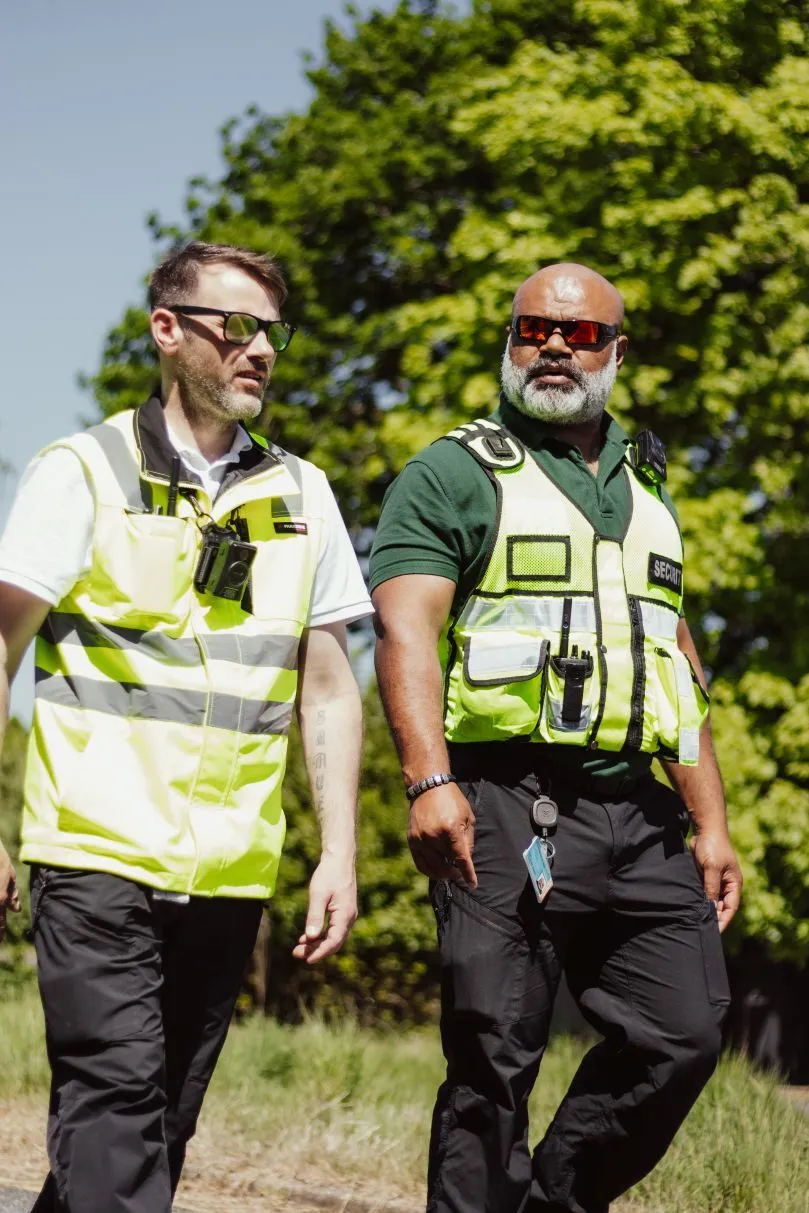
A dedicated on-site officer is usually the biggest ongoing cost. It is also the most visible deterrent and can improve visitor control and incident handling.
What Is Often Included In The Hourly Rate:
- Uniformed Officer Time: On-site presence for reception support, gate control, and patrols.
- Supervision And Welfare Checks: Management oversight to maintain standards and continuity.
- Basic Reporting: Daily occurrence logs and incident reports.
Common Add-Ons To Clarify In Quotes:
- Holiday Cover And Sickness Cover: Whether cover is guaranteed and how it is priced.
- Last-Minute Changes: Minimum notice periods and any premium rates.
- Equipment: Radios, body-worn cameras where appropriate, and key management processes.
To understand how a guarding programme could work for your site, see manned guarding from Lead Element Security.
Mobile Patrols And Lock/Unlock Services
Mobile patrols are a common way to reduce costs while improving out-of-hours security. Patrols can check doors, gates, vulnerable areas, and signs of attempted entry. They can also provide reports for your estates team.
- Best For: Nights, weekends, and holidays, plus sites with predictable closure routines.
- Cost Drivers: Number of visits, travel distance, and whether you include lock/unlock and perimeter checks.
- Practical Tip: Ask for GPS or time-stamped reporting. Make sure patrol points match your real risk areas.
Learn more about security patrol contractors if you are comparing patrol-based options.
CCTV And Remote Monitoring (Installation Vs Ongoing Monitoring Fees)
CCTV costs come in two parts: the installation and the ongoing monitoring and maintenance.
- Installation (Capital): Cameras, recording equipment, cabling, configuration, and signage.
- Ongoing (Operational): Monitoring fees, maintenance, repairs, and periodic upgrades.
Data protection matters. If you use CCTV, you should follow UK GDPR and the CCTV code of practice from the Information Commissioner’s Office (ICO). This includes clear signage, appropriate retention, and processes for access requests.
Access Control And Visitor Management (Fobs, Intercoms, Turnstiles)
Access control often delivers strong value because it reduces reliance on people alone. It can also help you enforce a single point of entry during the school day.
- Typical Components: Door controllers, fobs or cards, intercoms, maglocks, and door release in reception.
- Key Cost Drivers: Number of controlled doors, fire safety integration, and whether you connect to existing systems.
- Visitor Management: Digital sign-in can improve audit trails. Define retention and user access rules.
Alarm Response And Keyholding
Keyholding and alarm response can be a cost-effective alternative to calling out senior staff at night. It usually includes a retainer for availability and additional fees per activation.
- What To Confirm: Response time targets, maximum attendance time, and how false alarms are handled.
- Reporting: You should receive attendance reports suitable for insurance and internal review.
Event-Based Security (Parents’ Evenings, Sports Days, Assemblies)
Schools often need temporary cover for high-footfall events, especially when community access is wider than usual.
- Cost Drivers: Short-notice bookings, evening hours, number of entrances in use, and whether you need bag checks or queue management.
- Planning Tip: Provide a simple site plan and arrival times so staffing can be right-sized.
Example Budgets: What Schools Typically Pay (Illustrative Scenarios)
These scenarios are illustrative and show how quotes are often built. Your actual costs will depend on the risk assessment, site layout, and the cover pattern you choose.
Small Primary With Ad-Hoc Patrols And Improved Access Control
- Goal: Reduce unauthorised access, prevent door propping, and deter weekend trespass.
- Approach: Improve access control at the main entrance, plus mobile patrols during holidays and weekends.
- Budget Shape: Lower ongoing spend, with a one-off capital cost for access control and ongoing patrol visits.
How The Quote Is Typically Built:
- Access Control Installation: One-off project cost based on door hardware and configuration.
- Patrol Visits: A set number of visits per week or per holiday period, with reporting included.
- Optional Add-On: Keyholding to reduce SLT call-outs for alarms.
Large Secondary Needing Daily Gate Presence And After-Hours Patrols
- Goal: Improve visitor control, reduce on-site incidents, and strengthen perimeter security out of hours.
- Approach: Gate presence at peak times, plus an on-site officer during the day. Add patrols or monitoring overnight.
- Budget Shape: Mid to higher annual spend, depending on daily hours and the number of staffed posts.
What To Clarify In Pricing:
- Minimum Shift Length: Short gate shifts may be priced differently from full-day cover.
- Post Orders: Clear duties for reception support, visitor sign-in checks, perimeter patrols, and escalation.
- Supervision: How the supplier manages performance, absences, and standards.
Multi-Academy Trust Approach (Standardised Spec Across Sites)
- Goal: Standardise safeguarding-led outcomes across multiple schools while keeping procurement efficient.
- Approach: Use a common specification and reporting format. Risk-assess each site for the right blend of people and technology.
- Budget Shape: Often better value per site through consistency, shared mobilisation, and standard KPIs.
MAT Procurement Tip: Ask suppliers to price a core specification, then list optional modules, such as remote monitoring, holiday patrol uplift, or additional event cover. This keeps comparisons fair.
How To Reduce Cost Without Compromising Safeguarding
Reducing cost does not have to mean reducing safety. The best savings usually come from clearer outcomes and smarter coverage patterns.
Start With A Risk Assessment And Define Clear Outcomes
- Define The Problem: Unauthorised access, vandalism, aggressive visitors, safeguarding concerns, or theft.
- Set Measurable Outcomes: Fewer incidents at reception, reduced door propping, and a better audit trail for visitors.
- Use Good Practice Guidance: Consider protective security principles from NaCTSO when thinking about deterrence, detection, and response.
Use Layered Security (Procedures, People, Technology)
- Procedures: Sign-in rules, ID badges, staff challenge culture, and clear late-arrival processes.
- People: Targeted gate coverage and trained reception support.
- Technology: Access control, intercoms, and CCTV coverage of key approach routes.
Right-Size Hours And Focus On Peak Risk Windows (Start And End Of Day)
- Short Shifts Where They Matter: Two hours in the morning and two hours in the afternoon can be more cost-effective than full-day cover if incidents cluster at those times.
- Combine With Patrols: Overnight and weekend patrols often provide deterrence at a lower ongoing cost than static guarding.
Maintenance And Lifecycle Planning For Cameras And Access Control
- Plan For Ongoing Support: Budget for maintenance so systems stay reliable.
- Document Ownership: Ensure you retain admin access, credentials, and system maps at handover.
- Replace On A Cycle: Older cameras and recorders can become a false economy if downtime increases.
Compliance And Standards To Check Before You Buy
Schools have additional obligations around safeguarding and data. Build these into your specification so suppliers price the right solution, not the cheapest headline rate.
SIA Licensing And Supervision
- Check If The Role Is Licensable: Many guarding activities require an SIA licence. Use the SIA to confirm requirements and good practice.
- Ask About Oversight: Supervision, site visits, and performance management should be clear in the service design.
Safeguarding Expectations And Vetting (DBS, References, Training)
- DBS Checks: Define the level of check required for your environment and duties.
- School Briefing: Provide a safeguarding induction covering boundaries, communication expectations, and reporting routes.
- Continuity: Consistent staffing can be critical in schools. Ask how the supplier reduces churn.
Data Protection For CCTV And Visitor Logs (UK GDPR Considerations)
- Lawful Basis And Purpose: Be clear on why you are recording and who can access the data.
- Retention: Keep footage for an appropriate period, not forever.
- Signage And Access Requests: Follow ICO guidance to remain compliant.
Insurance And Contract Basics (SLAs, KPIs, Incident Reporting)
- SLAs And KPIs: Define attendance targets, reporting frequency, and escalation times.
- Incident Reporting: Specify what must be recorded, when you receive it, and how trends are reviewed.
- Governance: Monthly or termly reviews can keep services aligned to safeguarding priorities.
How To Get Accurate Quotes (Specification Checklist)
Accurate pricing comes from a clear specification. If you want suppliers to quote fairly, give them the information they need and ask structured questions.
Site Details To Share (Entry Points, Timetable, Existing Systems)
- Site Layout: Number of buildings, gates, car parks, and public approach routes.
- School Day Pattern: Start and finish times, lunch, after-school clubs, and community lettings.
- Current Controls: Existing CCTV, access control, intruder alarms, lighting, and reception procedures.
What To Ask Suppliers (Staff Continuity, Supervision, Reporting, Escalation)
- Staff Vetting: What checks are in place, and how often they are reviewed.
- Continuity Plan: How sickness and holidays are covered, and whether you keep familiar officers.
- Supervision: How often supervisors visit, and what quality checks are completed.
- Reporting: What logs you receive, and whether you get trends as well as incident lists.
- Escalation Matrix: Who is called and when, including police liaison where appropriate.
If you are building a bespoke specification, Lead Element Security can help. See our bespoke security approach and examples in our case studies.
Comparing Like-For-Like (Rates, Management Fee, Call-Out Charges)
- Confirm What Is Included: Supervision, uniform, reporting, and management time.
- Ask For A Clear Rate Card: Day, night, weekend, and short-notice cover.
- Identify Extras: Call-outs, mileage, additional reporting, and equipment hire.
FAQs About School Security Costs
Do We Need An SIA-Licensed Guard For A School?
Often, yes, if the duties fall under licensable activities such as guarding premises or controlling access in a security role. Requirements depend on the exact tasks, so confirm with the supplier and cross-check guidance with the SIA.
Is It Cheaper To Use Patrols Instead Of A Full-Time Officer?
In many cases, yes. Mobile patrols can deter out-of-hours issues at a lower cost than staffing a full post. However, patrols do not replace daytime visitor management and incident handling, so many schools use a blended model.
What Is The Typical Contract Length And Notice Period?
Many school security contracts run for 12 to 36 months, often with break clauses or review points. Notice periods vary, so confirm this in writing along with performance KPIs, mobilisation timelines, and how rates may change at renewal.
What’s The Difference Between Keyholding, Alarm Response, And Mobile Patrol?
- Keyholding: The provider holds keys securely and can attend when needed.
- Alarm Response: Attendance after an alarm activation, usually with a defined response target.
- Mobile Patrol: Planned visits at agreed times to check the site and deter issues.
For broader guidance on crime prevention principles and partnership working, resources from the College of Policing may also be helpful.
Fun Fact: The Cheapest Security Upgrade Is Often Operational
A large share of school security risk is operational rather than high-tech. Simple changes, like stopping door propping and tightening visitor sign-in, can reduce incidents. These steps often cost far less than adding extra guarding hours.
Conclusion
UK school security costs depend on your risk profile, the hours you need, and whether you choose people, technology, or a blend of both. As a starting point, plan for £18 to £30+ per hour for SIA-licensed guarding. Annual spend can range from low thousands for patrol-led cover to £60,000 to £200,000+ for daily on-site presence.
If you want a clear, like-for-like quote built around safeguarding outcomes, Lead Element Security can help you scope the right mix of guarding, patrols, and practical controls. Explore about us and meet the team, then get in touch via contact us.