![What security do retail premises need in [city]](https://leadelementsecurity.co.uk/wp-content/uploads/2026/06/What-security-do-retail-premises-need-in-the-UK-1024x683.webp "What security do retail premises need in the UK | Lead Element Security Group Ltd")
Table of Contents
- What Security Do Retail Premises Need In The UK? (Quick Answer)
- Start With A Retail Security Risk Assessment
- Physical Security Measures (The Basics Most Retailers Need)
- Electronic Security Systems For Retail
- People-Based Security: When You Need Guards Or Patrols
- Policies And Training That Reduce Retail Crime
- UK Compliance Essentials To Get Right
- How To Choose The Right Security Level For Your Retail Site
- Costs And What Drives Retail Security Pricing
- Retail Security Checklist (Printable)
- FAQs
- Fun Fact: Deterrence Often Beats Detection
- Next Steps: Book A Retail Security Assessment
Direct Answer Summary: UK retail premises usually need a layered approach: a written risk assessment, strong doors and locks (plus shutters or grilles where needed), an intruder alarm (often monitored), compliant CCTV with clear signage, good lighting, basic access control for staff-only areas, and clear staff procedures. Higher-risk sites often add SIA-licensed manned guarding or mobile patrols, with structured incident reporting. Make sure your CCTV setup meets UK GDPR requirements, and review security regularly.
Retail crime is rarely one problem with one fix. The most resilient shops and retail estates use layers of protection: physical, electronic, and people-based. Those layers should come from a realistic risk assessment, backed up by clear procedures.
This guide explains what is genuinely required versus best practice in the UK. It also covers what insurers often expect and how to choose a proportionate setup for your site and budget.
What Security Do Retail Premises Need In The UK? (Quick Answer)
If you want a practical baseline, most UK retail premises should have:
- A Written Risk Assessment: Document your main threats, weak points, and control measures. Review it after incidents or operational changes.
- Strong Physical Security: Quality locks, protected cylinders, solid frames, secure glazing, and (where appropriate) shutters or grilles.
- Intruder Alarm (Often Monitored): Correct zoning, a clear set and unset process, and an agreed response plan.
- CCTV With Clear Signage: Coverage that captures faces at entrances, key till areas, and stock rooms, with compliant retention and controlled access.
- Lighting And Sightlines: Good external lighting and tidy layouts that reduce hiding places and improve natural surveillance.
- Back-Of-House Access Control: Controlled entry to stock rooms, staff-only areas, and plant rooms.
- Staff Procedures And Training: Open and close routines, cash handling, conflict de-escalation, and incident reporting.
- SIA-Licensed Security (When Risk Demands It): Guards, mobile patrols, or concierge-style front-of-house for higher-risk sites.
If you would like a tailored plan rather than generic advice, Lead Element Security can carry out a site-specific assessment and recommend a proportionate package through our security services.
Start With A Retail Security Risk Assessment
A retail security risk assessment helps you spend money where it reduces risk. Write it down, assign an owner (such as a store manager or facilities lead), and keep it current.
Update the assessment after:
- Incidents: Theft, abuse, burglary attempts, or suspicious activity.
- Changes to Trading: Late opening, new delivery patterns, or staffing changes.
- Layout Changes: New gondolas, displays, or queue layouts that affect sightlines.
- Stock Changes: Higher value items, medicines, electronics, or seasonal spikes.
Common UK Retail Threats: Shoplifting, Burglary, Staff Theft And Violence
- Shoplifting And Organised Retail Crime: Opportunistic theft, distraction theft, and coordinated groups targeting high-value stock.
- Burglary And Out-Of-Hours Break-Ins: Forced doors, attacked locks, roof entry, rear access points, or breaches via neighbouring units.
- Robbery And Threats At Till: Cash-focused incidents, sometimes linked to close-down routines.
- Violence And Aggression: Abuse towards staff, refusal-of-service incidents, and conflict linked to alcohol sales or challenged theft.
- Staff Theft And Process Loss: Refund fraud, sweethearting at till, stock concealment, and weak returns controls.
- Vandalism And Anti-Social Behaviour: Damage to shopfronts, graffiti, or intimidation of customers and staff.
Risk Factors: Location, Product Type, Opening Hours, Footfall And Store Layout
Two shops with the same turnover can need very different controls. Typical risk drivers include:
- Location and Neighbouring Premises: Is it a high street with repeat offenders, or a quieter parade with limited natural surveillance?
- Footfall and Queueing: Busy stores can create more concealment opportunities and distraction theft.
- Store Layout: Blind spots, tall shelving, and poor line-of-sight to exits increase risk.
- Product Profile: Small, high-value, easy-to-resell goods are commonly targeted.
- Opening Hours: Late trading and early mornings can increase lone working and reduce public presence.
- Cash Handling: Higher cash volumes raise robbery risk and internal loss risk.
Setting Your Security Objectives (Deterrence, Detection, Response, Evidence)
Define what good looks like for your site. Clear objectives also help you choose the right equipment and staffing.
- Deterrence: Make offending less attractive, more visible, and harder to complete.
- Detection: Spot risk early through CCTV, staff vigilance, alarms, and analytics where justified.
- Response: Agree who does what, when to call the police, and how to keep staff safe.
- Evidence: Capture usable footage and accurate incident logs to support police action and banning orders where appropriate.
Simple Risk Assessment Template (Use As A Starting Point):
| Area/Process | Threat | Likelihood | Impact | Current Controls | Actions And Owner |
|---|---|---|---|---|---|
| Front Entrance | Theft, grab and run | Low/Med/High | Low/Med/High | CCTV, staffing, signage | Improve camera angle, Manager |
| Till And Cash Office | Robbery, refund fraud | Low/Med/High | Low/Med/High | Safe, procedure, CCTV | Introduce cash drops, Ops Lead |
| Stock Room | Internal theft, forced entry | Low/Med/High | Low/Med/High | Restricted access, key control | Add access logs, Facilities |
If you want a ready-to-use version of this template in PDF for managers and site audits, ask Lead Element Security via our contact page.
Physical Security Measures (The Basics Most Retailers Need)
Physical security is still the foundation. It reduces burglary risk, supports safe trading, and helps your electronic systems work better.
Doors, Locks, Frames And Glazing
- Quality Locks And Correct Fit: Make sure locks suit the door type and are fitted to manufacturer guidance. Poor fit can undermine good hardware.
- Protected Cylinders And Hardware: Reduce snapping and drilling risk with suitable cylinders and security handles.
- Frames And Hinges: Reinforce weak points, as many forced entries target the frame, not the lock.
- Glazing Choices: Consider tougher glazing for high-risk frontages and vulnerable side panels.
Tip: Walk your perimeter like an offender would. Check rear doors, service corridors, and shared access routes, not only the shopfront.
Roller Shutters, Grilles And Security Screens
Shutters and grilles can be very effective where there is a known burglary risk or repeated damage to glazing.
- When They Help Most: High-risk locations, repeated night-time attacks, or high-value stock on display.
- Trade-Offs: They can affect kerb appeal, so choose designs that balance security and customer experience.
- Operational Discipline: A shutter only works if staff use it every time, including during short closures.
Safes, Cash Handling, Till Points And Anti-Ram-Raid Measures
- Cash Drops And Minimal Till Floats: Reduce the reward, especially near closing time.
- Time-Delay Safes: Deter robbery by preventing instant access.
- Key Control: Keep a formal log for safe keys and alarm fobs. Limit access by role.
- Anti-Ram-Raid Measures: Consider bollards or protective street furniture where a vehicle attack risk is credible.
External Lighting, Sightlines And Housekeeping
- Lighting: Make sure entrances, rear doors, bin areas, and delivery points are well lit.
- Sightlines: Reduce blind spots by lowering display heights near exits and removing visual clutter where possible.
- Housekeeping: Keep rear areas tidy, remove climbing aids, and lock ladders away.
These changes are often low cost. They can reduce theft opportunities and improve staff confidence.
Electronic Security Systems For Retail
Electronic controls should support your objectives: deterrence, detection, response, and evidence. Systems often fail when they are installed to tick a box, rather than to match how the store runs.
CCTV: Coverage Plan, Image Quality, Retention And Signage
Good retail CCTV is designed, not guessed. A typical coverage plan includes:
- Entrances And Exits: Capture faces clearly, and account for lighting changes and caps or hoods.
- Till Points And Customer Service: Support investigations into theft, abuse, and refund disputes.
- High-Value Displays: Cover areas where concealment or quick grabs happen.
- Stock Rooms And Delivery Areas: Monitor high-risk internal loss points and goods-in processes.
Practical CCTV compliance steps for retail:
- Signage: Place clear signs at entrances. State the purpose of CCTV and who operates it.
- Retention: Keep footage only as long as needed. Set a justified period and extend it only for incidents.
- Access Control: Limit who can view and export footage. Log exports and keep storage secure.
- Subject Access Requests: Use a clear process to respond within required timeframes, including third-party redaction where needed.
- DPIA Consideration: If surveillance is likely to be high risk to individuals, consider a Data Protection Impact Assessment.
For official guidance, use the Information Commissioner’s Office (ICO) CCTV and video surveillance guidance.
Intruder Alarms: Zoning, Monitoring And Police Response Expectations
- Zoning: Separate areas such as the sales floor, stock room, cash office, and roof hatches to pinpoint activations.
- Monitoring: Consider monitored alarms for faster response and out-of-hours reassurance.
- User Discipline: False alarms often come from unclear setting routines. Train staff and simplify the process.
- Police Response Expectations: Police attendance is not automatic. Prioritise prevention and provide verified information where possible.
Access Control For Back-Of-House And Stock Rooms
Back-of-house access is a common weak point, especially in busy stores or multi-tenant retail sites.
- Role-Based Access: Limit stock room and cash office entry to the roles that need it.
- Audit Trails: Use access logs where appropriate to support investigations.
- Lost Credentials Process: Cancel lost fobs quickly and record re-issue.
Retail Loss Prevention Tech (EAS Tags, RFID, Smart Analytics): When It’s Worth It
- EAS Tagging: Effective for high-theft product lines where concealment and quick exits are common.
- RFID: Useful when you need better stock accuracy and can integrate it into stock counts and supply chain processes.
- Analytics: Consider this only when camera quality is high enough, and staff can respond to alerts.
These tools work best with consistent procedures, clear escalation routes, and a layout that reduces opportunity.
People-Based Security: When You Need Guards Or Patrols
Guards and patrols can be a strong deterrent. They can also help manage conflict and improve reporting quality. They work best when they fit into store operations, rather than acting as a standalone presence.
Manned Guarding Vs Mobile Patrols Vs Concierge-Style Front-Of-House
- Manned Guarding: Best for high footfall, repeat incidents, high-value stock, or stores that need active conflict management. Learn more at manned guarding.
- Mobile Patrols: Suitable for out-of-hours checks, lock-up support, and deterrence across multiple sites. See security patrol contractors.
- Concierge-Style Security: Ideal for shopping centres, mixed-use buildings, and premium retail where customer service and brand experience matter. Explore concierge security.
What SIA Licensing Means (And How To Check It)
In the UK, many security roles require an SIA licence. You can verify requirements and licensing information via the Security Industry Authority (SIA) on GOV.UK.
- What To Ask Providers: Confirm the licence type matches the role (for example, guarding versus door supervision where applicable).
- How To Check: Ask to see the operative’s SIA licence and confirm it is valid for the duties they perform.
- Beyond The Badge: Ask about vetting, supervision, training, and incident reporting, not only licensing.
Store Security Duties: Deterrence, Conflict Management, Evidence Capture And Reporting
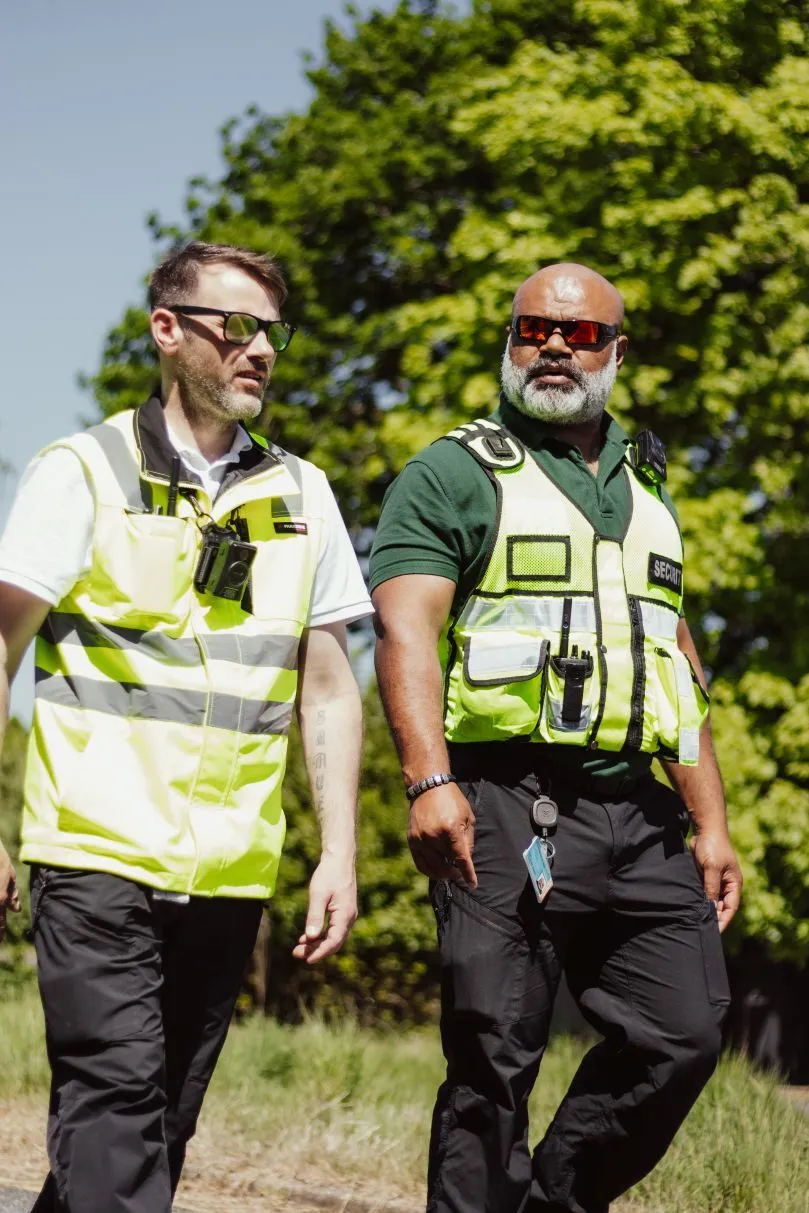
A good retail security officer is more than a static guard. They support staff, manage risk, and help you build a clear evidence trail.
- Visible Deterrence: Professional presence at peak-risk times and near high-theft zones.
- Support To Staff: Help with refusals, challenging behaviour, and keeping the store safe.
- Incident Management: Calm, lawful interventions and fast escalation when risk rises.
- Evidence Capture: Clear statements, accurate timings, and preservation of CCTV for investigations.
- Reporting and KPIs: Consistent incident logs that highlight patterns and support improvements.
Lead Element Security can tailor coverage and post instructions through bespoke security, aligned to your site rules, peak times, and risk profile.
Policies And Training That Reduce Retail Crime
Policies turn equipment and people into a working system. Training reduces loss and lowers the chance of staff putting themselves at risk.
Staff Training For De-Escalation And Safety
Training should reflect the scenarios your team faces, not generic classroom content.
- De-Escalation Basics: Calm communication, space management, and recognising escalation triggers.
- When To Step Back: Clear guidance on prioritising safety over stock.
- Lone Working Controls: Check-in procedures, safe-room guidance, and escalation routes.
For employer duties and good practice, see the HSE guidance on violence at work.
Shoplifting Procedures: What Staff Can And Can’t Do
Retailers often ask what staff are allowed to do. Your procedures should be written, trained, and applied consistently. As a sensible baseline:
- Do: Prioritise safety, use customer service engagement, observe and report, and preserve evidence.
- Do: Follow a clear escalation route, for example, call a manager, security officer, or the police where appropriate.
- Do Not: Put staff at risk by attempting physical restraint unless properly trained, authorised, and it is necessary and proportionate.
- Do Not: Make assumptions, use discriminatory profiling, or escalate situations unnecessarily.
If you use guards, align staff actions and guard actions. Everyone should know their role in a safe response.
Incident Logs, Body-Worn Video (Where Used) And Evidence Handover
- Incident Logs: Record who, what, when, where, and actions taken. Include descriptions, CCTV camera references, and witness details.
- Body-Worn Video: Useful where abuse is frequent, but it needs clear policies, staff training, and controlled access to recordings.
- Evidence Handover: Define who can export CCTV, how it is stored, and how you share it with police while protecting personal data.
For examples of how structured reporting supports improvements over time, see Lead Element Security case studies.
UK Compliance Essentials To Get Right
This section separates legal duties from common best practice. Retailers are often told you must have CCTV or you must have guards. In reality, it depends on risk and how you operate.
CCTV And Data Protection (GDPR/UK GDPR), DPIAs And Privacy Notices
- Is CCTV Mandatory? No. CCTV is not automatically required for every shop, but if you use it, you must comply with data protection law.
- Privacy Notices And Signage: Inform people they are being recorded and why.
- Retention Rules: Keep footage for a justified period, then delete it. Longer retention should link to a clear need.
- DPIA Triggers: If monitoring is extensive or high risk, consider whether a DPIA is required.
- Handling Requests: Have a process for subject access requests and for sharing footage with police.
Use the ICO CCTV guidance as your main reference for compliant operation.
Security Staff Compliance: SIA, Right To Work, Vetting And Supervision
- SIA Licensing: Ensure operatives are correctly licensed for the role and keep proof on file.
- Right To Work: Confirm the provider has a robust process. Do not assume it is always handled correctly.
- Vetting: Ask what checks are carried out and how often they are refreshed.
- Supervision And Audits: Agree how supervisors check standards, attendance, and incident handling.
To understand licensing and the regulator’s role, refer to the SIA on GOV.UK.
Safety Obligations: Lone Working, Violence At Work And Emergency Plans
- Violence And Aggression Risk: Treat it as a workplace hazard. Assess it and put controls in place.
- Lone Working: Give staff a safe close-down routine, communication options, and clear escalation routes.
- Emergency Planning: Cover medical incidents, fire evacuation, and serious incidents, including hostile situations.
For public-facing and crowded places, you may also find practical protective security advice on ProtectUK.
UK Compliance Panel (Key Sources):
- SIA Licensing: Security Industry Authority (SIA) on GOV.UK
- CCTV and UK GDPR: Information Commissioner’s Office (ICO) CCTV guidance
- Violence At Work: Health and Safety Executive (HSE) guidance
- Protective Security Advice: ProtectUK
How To Choose The Right Security Level For Your Retail Site
Use the checklists below as a starting point. The right level reduces your most likely and most harmful risks while staying workable day to day.
Low-Risk Checklist (Small Shops)
- Basic Physical Hardening: Fit quality locks, and make sure rear access is secure and well lit.
- Entry and Till CCTV: Install cameras that clearly capture faces and the till area.
- Simple Intruder Alarm: Use door contacts and a motion detector covering key routes.
- Cash Controls: Keep minimal cash in tills and use a safe where appropriate.
- Open And Close Routine: Use a checklist, including rear-door checks and window checks.
- Incident Log: Record theft and abuse, even when losses seem minor.
Medium-Risk Checklist (Busy High Street Stores)
- Improved CCTV Coverage: Add coverage for high-value areas, queue lines, and blind spots.
- Monitored Alarm: Consider monitoring and make sure keyholder procedures are clear.
- Access Control: Restrict stock room and cash office access. Log entries if it is feasible.
- Loss Prevention Measures: Introduce EAS tagging for top theft lines and adjust product placement.
- Staff Conflict Training: Provide consistent de-escalation and refusal-of-service training.
- Targeted Security Presence: Use guards at peak-risk times or days when incidents justify it.
High-Risk Checklist (High-Value Goods, Repeat Incidents, Late Trading)
- Layered Physical Security: Consider shutters, security grilles, reinforced doors, and better perimeter controls.
- Professional Monitoring and Response: Strengthen keyholding and escalation routes.
- Dedicated Manned Guarding: Use an SIA-licensed officer to deter theft and manage conflict; see Lead Element Security manned guarding.
- Mobile Patrol Support: Add unlock and lock support, perimeter checks, and randomised visits, see Lead Element Security patrol services.
- Enhanced Procedures: Cash drops, secure stock handling, high-value storage, and stronger evidence capture.
- Partnership Working: Engage with local Business Crime Reduction Partnerships (BCRPs) where available.
Costs And What Drives Retail Security Pricing
Evaluate security costs against risk reduction and avoided loss, not only the monthly invoice.
One-Off Install Costs Vs Ongoing Monitoring And Guarding
- One-Off Costs: CCTV, alarm installation, access control, shutters, and lighting improvements.
- Ongoing Costs: Monitoring fees, maintenance, call-outs, guarding hours, patrol frequency, and reporting.
- Design and Commissioning: Cheaper installs can cost more later if cameras miss faces or alarms generate repeated false activations.
Hidden Costs: Downtime, Shrinkage, Staff Turnover And Reputational Risk
- Shrinkage: Persistent low-level theft can exceed the cost of prevention.
- Staff Turnover: Abuse and fear at work can lead to resignations and recruitment costs.
- Downtime: Burglary damage and response times can disrupt trading.
- Reputation: Customers may avoid stores where they feel unsafe.
A proportionate plan should reduce direct losses and the operational drag caused by repeated incidents.
Retail Security Checklist (Printable)
Copy and paste this into your site audit or weekly manager checks.
- Risk Assessment Updated: Reviewed after incidents and operational changes.
- Door and Window Security Checked: Locks, frames, and rear access points inspected.
- Shutters/Grilles Used Correctly: Staff follow the rule every time, not only at full close.
- CCTV Working and Clean: Cameras unobstructed, correct time and date, clear entrance face capture.
- CCTV Signage In Place: Visible at entrances and includes operator details.
- Footage Retention Set: Retention period is justified, and incidents are flagged for longer storage.
- Alarm Set/Unset Routine Followed: Clear responsibility and escalation for activations.
- Lighting Working: Front and rear lights operational, no dark spots at access points.
- Stock Room Access Controlled: Staff-only entry enforced and keys or fobs controlled.
- Cash Handling Followed: Floats minimised, drops completed, safe used, and key control logged.
- Incident Log Maintained: Theft and abuse recorded with times, descriptions, and camera references.
- Staff Know The Safety Script: De-escalation steps and when to call for help are understood.
FAQs
Is CCTV Legally Required In A Shop In The UK?
No. CCTV is not automatically required for every retail premises. However, if you choose to use CCTV, you must run it in line with UK data protection law. That includes clear signage, a lawful basis, appropriate retention, and controlled access. Use the ICO CCTV guidance to shape your approach.
Do I Need SIA-Licensed Security Guards?
Not every shop needs guards. You usually consider SIA-licensed guarding when you have repeat incidents, high-value stock, frequent aggression, late trading, or you need a trained presence to support staff safely. If operatives carry out licensable activities, they must be appropriately licensed. See the SIA on GOV.UK for context.
How Long Should CCTV Footage Be Kept?
There is no single fixed legal number of days for all retailers. The key rule is to keep footage for no longer than necessary for your stated purpose. Many retailers choose a period that matches reporting patterns and storage limits. They then keep specific clips longer only when an incident is identified. The ICO explains how to set a justified retention period.
Should I Use Body-Worn Cameras In Retail?
Body-worn video can help deter abuse and improve evidence quality, especially in higher-risk sites. It needs clear policies, staff training, secure storage, and a privacy approach aligned with data protection principles. Consider starting with a trial during peak-risk periods and track outcomes such as fewer incidents and improved staff confidence.
Fun Fact: Deterrence Often Beats Detection
Many retailers focus on catching offenders. In practice, big gains often come from deterrence. Better sightlines, lighting, and product placement can reduce theft opportunities before CCTV footage is ever needed. This is a simple example of crime prevention through environmental design (CPTED) in retail layout.
Next Steps: Book A Retail Security Assessment
If you want a clear, defensible plan for your shop, chain, or retail unit, Lead Element Security can help you define risk, choose proportionate measures, and set procedures your team will follow.
- Start With A Review: We assess your layout, doors, alarms, CCTV coverage, and staff routines.
- Get A Layered Recommendation: Physical, electronic, and people-based measures aligned with your trading reality.
- Improve Reporting And Oversight: Clear incident reporting expectations and supervision, tailored to your site.
Explore our approach on about Lead Element Security, browse recent case studies, or book a conversation via contact Lead Element Security.
For more practical guidance, you can also read the latest updates on the Lead Element Security blog.